
Anal Fissure
Surgical & Laser Treatment for Anal Fissure
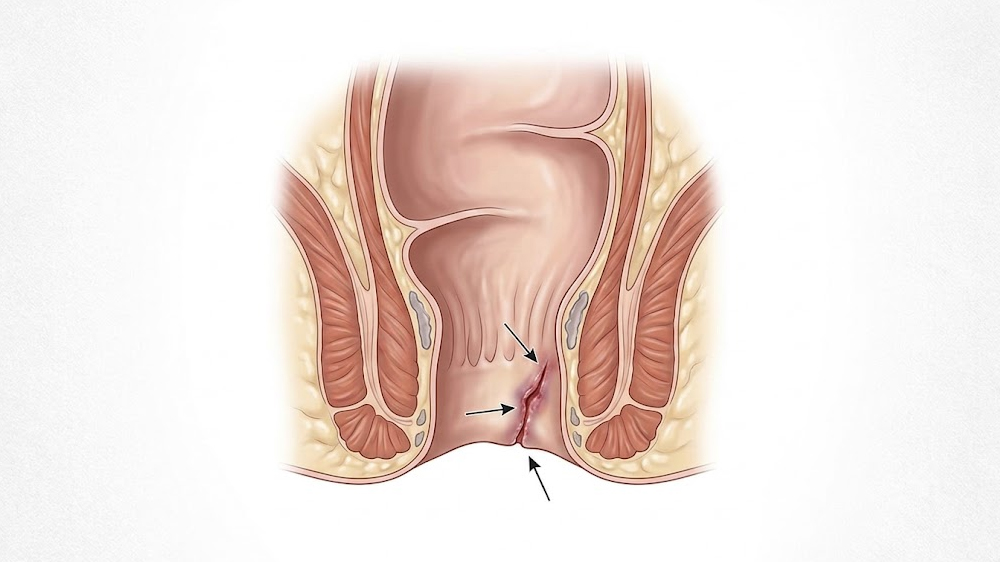
An anal fissure is a small tear or ulcer in the lining of the anal canal. It is one of the most common causes of severe anal pain and bleeding during bowel movements. Fissures can be acute (short-lasting) or chronic (persisting for more than 6–8 weeks). While many acute fissures heal with conservative measures, chronic fissures often require surgical intervention for complete relief.
Dr. Surendra Pal Jakhar specializes in the advanced surgical management of anal fissures, offering both laser-assisted fissure treatment and lateral internal sphincterotomy (LIS). His approach focuses on reducing pain, promoting healing, and preserving sphincter function for optimal outcomes.
Causes and Risk Factors
- Constipation & Straining: Passing hard, dry stools is the most common cause.
- Diarrhea: Frequent loose stools can irritate and tear the anal lining.
- Childbirth: Trauma during vaginal delivery can lead to fissures.
- Anal Spasm: Increased tone of the internal anal sphincter can impair healing.
- Inflammatory Bowel Disease: Crohn's disease and ulcerative colitis can cause fissures.
- Poor Bowel Habits: Prolonged sitting on the toilet or excessive wiping.
- Low-Fiber Diet: Inadequate dietary fiber contributes to hard stools.
Common Symptoms of Anal Fissure
- Sharp, severe pain during and after bowel movements (often lasting hours).
- Bright red bleeding on toilet paper or in the stool.
- A visible tear or ulcer in the anal area (often visible with gentle examination).
- Anal itching, burning, or irritation.
- A sentinel pile (skin tag) at the edge of the fissure.
- Fear of bowel movements due to pain (leading to constipation).
Surgical Treatment Options for Chronic Fissure
- Laser-Assisted Fissure Treatment: Minimally invasive laser ablation of the fissure base with or without sphincter relaxation. This procedure offers precise tissue ablation, minimal bleeding, faster healing, and reduced postoperative pain.
- Lateral Internal Sphincterotomy (LIS): A surgical procedure that involves cutting a small portion of the internal anal sphincter muscle to reduce spasm and promote healing. LIS has a high success rate (over 95%) for chronic fissures and is performed as a day-care procedure.
- Fissurectomy: Surgical excision of the fissure and sentinel pile for chronic non-healing fissures.
- Advancement Flap: A reconstructive procedure for complex or recurrent fissures.
Benefits of Laser-Assisted Fissure Treatment
- Minimally Invasive: No incisions or sutures; performed through the anal opening.
- Reduced Pain: Laser energy seals nerve endings and minimizes postoperative discomfort.
- Faster Recovery: Most patients resume normal activities within 1–2 days.
- Low Recurrence Rate: Promotes complete healing with minimal risk of recurrence.
- Preservation of Sphincter Function: Avoids the risk of incontinence associated with traditional sphincterotomy.
Recovery After Fissure Surgery
Recovery after fissure surgery is usually quick and comfortable. Patients are advised to maintain a high-fiber diet, drink plenty of water, and use stool softeners to avoid constipation. Sitz baths (warm water soaks) are recommended for hygiene and pain relief. Most patients return to work within 3–5 days. Follow-up visits ensure proper healing and monitor for any complications.
Why Choose Dr. Surendra Pal Jakhar?
Dr. Surendra Pal Jakhar is a highly experienced gastrointestinal and colorectal surgeon with extensive expertise in the management of anal fissures. He offers advanced laser and minimally invasive techniques with a focus on patient comfort and optimal outcomes. Dr. Jakhar provides personalized care plans, ensuring that each patient receives the most appropriate treatment based on their condition and needs.
Schedule a consultation today to discuss your anal fissure and explore the best treatment options available.