
Laparoscopic Anterior Resection
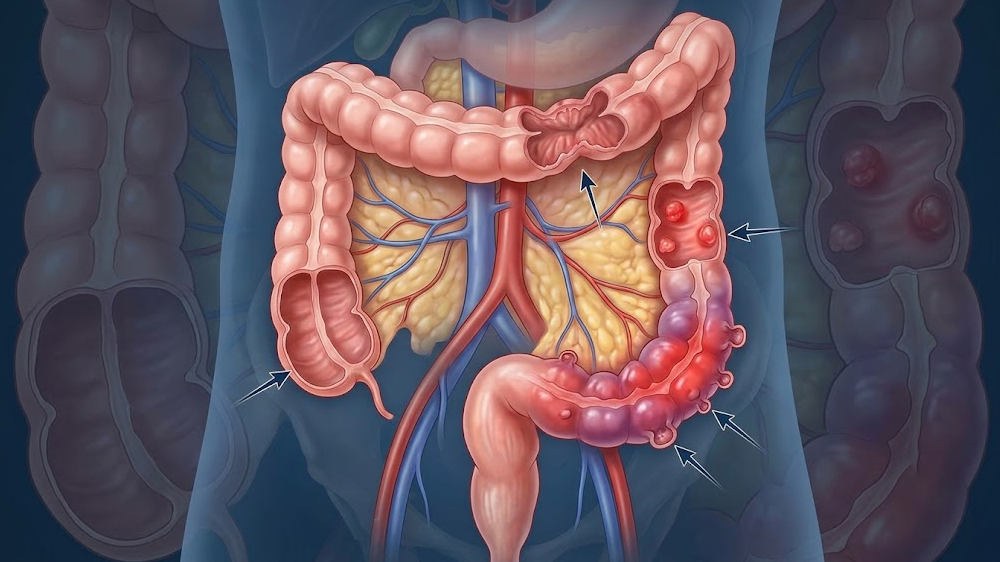
Minimally Invasive Surgery for Colon & Rectal Conditions
Laparoscopic Anterior Resection is a minimally invasive surgical procedure to remove a segment of the sigmoid colon or upper rectum. This advanced technique is commonly performed for colon cancer, diverticular disease, and other colorectal conditions. Dr. Surendra Pal Jakhar specializes in this procedure, offering patients faster recovery, reduced pain, and excellent outcomes.
The procedure involves removing the diseased portion of the bowel and reconnecting the healthy ends (anastomosis). Using small incisions and a camera, Dr. Jakhar performs the surgery with precision, preserving surrounding structures and minimizing trauma. This approach is suitable for both benign and malignant conditions.
Indications for Laparoscopic Anterior Resection
- Colon Cancer: Adenocarcinoma of the sigmoid colon or upper rectum.
- Diverticulitis: Recurrent or complicated diverticular disease.
- Colonic Polyps: Large or malignant polyps not amenable to endoscopic removal.
- Inflammatory Bowel Disease: Segmental Crohn's disease or ulcerative colitis.
- Volvulus: Twisting of the sigmoid colon causing obstruction.
- Ischemic Colitis: Necrosis or stricture due to compromised blood supply.
- Obstructive Tumors: Malignant or benign lesions causing bowel obstruction.
Symptoms That May Indicate the Need for Surgery
- Chronic or severe abdominal pain, often in the lower left side.
- Changes in bowel habits (persistent diarrhea or constipation).
- Rectal bleeding or blood in the stool.
- Unexplained weight loss and fatigue.
- Abdominal distension and bloating.
- Nausea and vomiting, especially with obstruction.
- Iron-deficiency anemia from chronic blood loss.
The Surgical Procedure: Step-by-Step
- Preparation: Bowel preparation (cleansing) and preoperative evaluation.
- Incision: 4–5 small incisions (5–10 mm) are made in the abdomen.
- Visualization: A laparoscope (camera) is inserted to view the abdominal cavity.
- Mobilization: The diseased segment of the colon is carefully freed from surrounding tissues.
- Resection: The affected portion (sigmoid colon or upper rectum) is removed.
- Anastomosis: The healthy ends of the bowel are reconnected using sutures or staples.
- Closure: Incisions are closed, and a drain may be placed if needed.
- Recovery: Patients are monitored in the hospital and discharged based on progress.
Benefits of Laparoscopic Anterior Resection
- Minimally Invasive: Smaller incisions, less scarring, and reduced pain.
- Faster Recovery: Shorter hospital stay (3–5 days) and quicker return to daily activities.
- Reduced Blood Loss: Precision instruments minimize bleeding.
- Lower Infection Risk: Smaller wounds decrease the chance of surgical site infections.
- Better Outcomes: Comparable or superior oncologic results for cancer patients.
- Early Mobilization: Patients can walk and eat sooner after surgery.
Risks and Considerations
While laparoscopic anterior resection is safe and effective, all surgeries carry some risks. These include bleeding, infection, anastomotic leak (leakage at the connection site), bowel obstruction, and injury to nearby organs. Dr. Jakhar takes every precaution to minimize these risks and ensures comprehensive postoperative care. Patients are thoroughly evaluated before surgery to determine the best approach.
Why Choose Dr. Surendra Pal Jakhar?
Dr. Surendra Pal Jakhar is a highly experienced laparoscopic and colorectal surgeon with advanced training in minimally invasive techniques. He has performed numerous anterior resections with excellent outcomes. His approach combines technical excellence with compassionate care, ensuring patients receive personalized treatment plans. Dr. Jakhar works closely with a multidisciplinary team of gastroenterologists, oncologists, and nutritionists to provide holistic care for patients with colorectal conditions.
Schedule a consultation today to discuss your condition and explore whether laparoscopic anterior resection is the right option for you.