
Chronic Pancreatitis
- Home
- /
- Pancreatic Disorders
- /
- Chronic Pancreatitis
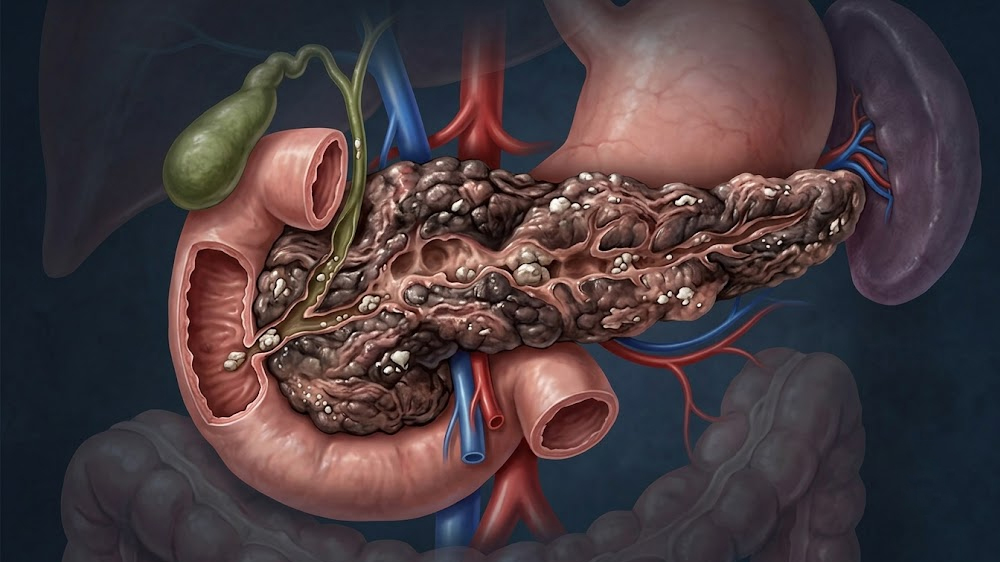
Comprehensive Surgical Management for Chronic Pancreatic Disease
Chronic pancreatitis is a progressive inflammatory disorder of the pancreas characterized by irreversible morphological changes, fibrosis, and loss of exocrine and endocrine function. It leads to persistent abdominal pain, malabsorption, diabetes mellitus, and significantly impacts quality of life. The condition often results from long-term alcohol abuse, genetic predisposition, autoimmune disease, or recurrent acute pancreatitis.
Dr. Surendra Pal Jakhar offers advanced surgical solutions for chronic pancreatitis, ranging from drainage procedures for ductal obstruction to pancreatic resections for debilitating pain and complications. Our goal is to relieve symptoms, preserve pancreatic function, and improve long-term outcomes for patients suffering from this challenging condition.
Common Causes of Chronic Pancreatitis
- Alcohol Abuse: The most common cause, accounting for 60-70% of cases in adults.
- Idiopathic: No identifiable cause, often seen in both pediatric and elderly populations.
- Genetic Mutations: PRSS1, SPINK1, CFTR gene mutations leading to hereditary pancreatitis.
- Autoimmune Pancreatitis: Immune-mediated inflammation often associated with IgG4-related disease.
- Obstructive Causes: Pancreatic duct strictures, pancreas divisum, or biliary obstruction.
- Metabolic Disorders: Hyperlipidemia, hypercalcemia, or chronic kidney disease.
- Recurrent Acute Pancreatitis: Repeated episodes leading to chronic inflammation and fibrosis.
Common Symptoms of Chronic Pancreatitis
- Chronic, persistent abdominal pain (often epigastric radiating to the back)
- Pain exacerbation after meals, especially fatty foods
- Steatorrhea (fatty, foul-smelling stools) due to exocrine insufficiency
- Unintentional weight loss and malnutrition
- Diabetes mellitus (type 3c) from loss of endocrine function
- Nausea, vomiting, and bloating
- Jaundice if there is biliary obstruction
Surgical Treatment Options
- Lateral Pancreaticojejunostomy (Puestow Procedure): A drainage procedure that creates a longitudinal anastomosis between the pancreatic duct and a Roux-en-Y jejunal loop, effective for patients with a dilated pancreatic duct (>7 mm).
- Pancreatic Resection: For patients with a nondilated duct or a dominant mass – includes pancreaticoduodenectomy (Whipple), distal pancreatectomy, or central pancreatectomy.
- Duodenum-Preserving Pancreatic Head Resection (Beger or Frey Procedure): Resection of the pancreatic head while preserving the duodenum, offering pain relief with better preservation of endocrine function.
- Cysto-Enterostomy: Drainage of pancreatic pseudocysts into the stomach or jejunum.
- Endoscopic Interventions: ERCP with stenting or stone removal, EUS-guided drainage, and celiac plexus block.
- Laparoscopic Necrosectomy: For infected necrosis in acute-on-chronic presentations.
Benefits of Surgical Treatment
- Significant reduction or elimination of chronic pain
- Improved nutritional status and weight gain
- Better control of diabetes mellitus
- Reduced need for narcotic pain medications
- Prevention of complications like pseudocysts, biliary obstruction, and pancreatic cancer
- Enhanced quality of life and return to normal activities
Post-Operative Care and Recovery
- Hospital stay ranges from 5-10 days depending on the complexity of surgery
- Pain management with multimodal analgesia
- Gradual advancement of diet – starting with clear liquids and progressing to a low-fat, high-protein diet
- Pancreatic enzyme replacement therapy (PERT) for exocrine insufficiency
- Diabetes management with insulin or oral hypoglycemics as needed
- Regular follow-up with imaging (CT/MRI) and nutritional counseling
- Lifestyle modifications – alcohol cessation, smoking cessation, and dietary changes
Why Choose Dr. Surendra Pal Jakhar?
Dr. Surendra Pal Jakhar is a highly experienced gastrointestinal and hepatopancreatobiliary surgeon with specialized expertise in managing complex pancreatic disorders including chronic pancreatitis. He offers a full spectrum of surgical options, from minimally invasive drainage procedures to complex pancreatic resections, tailoring each treatment plan to the individual patient's anatomy, disease pattern, and functional status. His multidisciplinary approach involves close collaboration with gastroenterologists, endocrinologists, and nutritionists to ensure comprehensive care and optimal outcomes for chronic pancreatitis patients.
Schedule a consultation today to discuss your chronic pancreatitis symptoms and explore the best treatment options available.