
Acute Pancreatitis
- Home
- /
- Pancreatic Disorders
- /
- Acute Pancreatitis
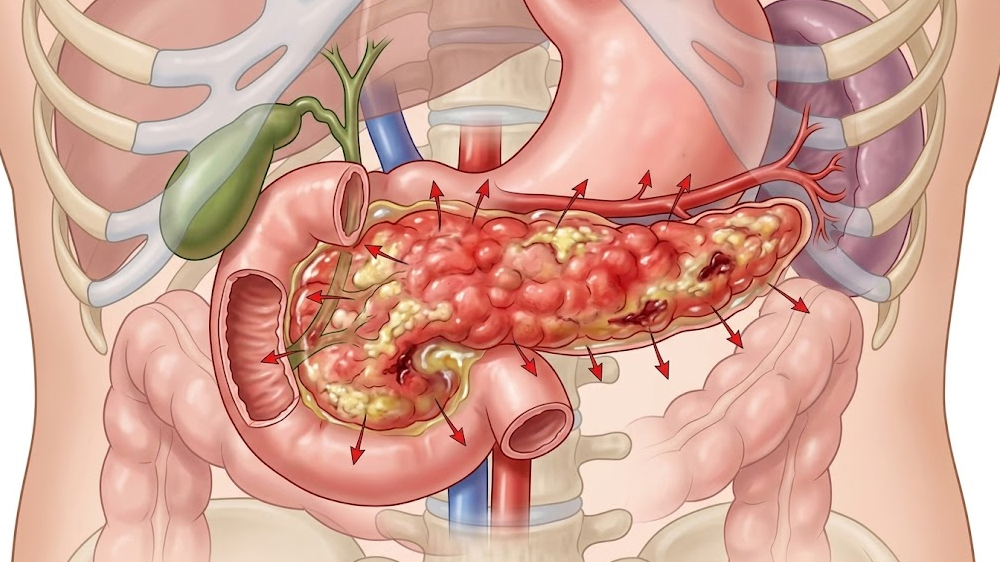
Comprehensive Surgical Care for Acute Pancreatitis
Acute pancreatitis is a sudden inflammation of the pancreas that ranges from mild, self-limiting discomfort to severe, life-threatening illness with multi-organ failure. It is characterized by acute abdominal pain, elevated pancreatic enzymes, and inflammatory changes in the pancreas and surrounding tissues.
Dr. Surendra Pal Jakhar has extensive experience in managing acute pancreatitis, from conservative medical management to advanced surgical interventions for complications such as pancreatic necrosis, pseudocysts, and infected fluid collections. Our multidisciplinary approach ensures timely diagnosis, appropriate treatment, and optimal outcomes for patients with this challenging condition.
Common Causes of Acute Pancreatitis
- Gallstones: The most common cause, accounting for approximately 40% of cases.
- Alcohol Consumption: Heavy or chronic alcohol intake.
- Hypertriglyceridemia: Elevated triglyceride levels.
- Idiopathic: No identifiable cause in about 15-20% of cases.
- Medications: Certain drugs can trigger acute pancreatitis.
- Trauma: Abdominal injury or post-ERCP complications.
- Infections: Viral or bacterial infections.
- Autoimmune Conditions: Autoimmune pancreatitis.
Symptoms of Acute Pancreatitis
- Sudden, severe upper abdominal pain radiating to the back
- Nausea and vomiting
- Fever and chills
- Abdominal tenderness and distension
- Rapid pulse and low blood pressure
- Jaundice (yellowing of skin and eyes) in some cases
- Shock and multi-organ failure in severe cases
Surgical Interventions for Acute Pancreatitis
- Laparoscopic Necrosectomy: Minimally invasive removal of necrotic pancreatic tissue in patients with infected necrosis.
- Open Necrosectomy: Traditional surgical approach for extensive necrosis not amenable to minimally invasive techniques.
- Percutaneous Drainage: Image-guided drainage of infected fluid collections or pseudocysts.
- Cysto-enterostomy: Internal drainage of pancreatic pseudocysts into the stomach or small bowel.
- Cholecystectomy: Gallbladder removal in gallstone-induced pancreatitis to prevent recurrence.
- ERCP with Sphincterotomy: Endoscopic removal of bile duct stones in gallstone pancreatitis.
Severity Grading and Prognosis
- Mild Acute Pancreatitis: No organ failure or local complications; recovery within 3-5 days.
- Moderately Severe: Transient organ failure or local complications like pseudocysts.
- Severe Acute Pancreatitis: Persistent organ failure or infected necrosis with high morbidity and mortality.
- Prognostic Scoring: APACHE II, Ranson's criteria, and CT severity index help predict outcomes.
Why Choose Dr. Surendra Pal Jakhar?
Dr. Surendra Pal Jakhar is a highly experienced gastrointestinal and hepatobiliary surgeon with specialized expertise in managing acute pancreatitis and its complications. His comprehensive approach includes early diagnosis, aggressive medical management, and timely surgical intervention when indicated. Dr. Jakhar works closely with a multidisciplinary team including gastroenterologists, intensivists, and interventional radiologists to provide coordinated, patient-centered care for optimal outcomes.
Schedule a consultation today to discuss your pancreatic condition and explore the best treatment options available.