
Small Intestinal Tumours
- Home
- /
- Small Bowel Disorders
- /
- Small Intestinal Tumours
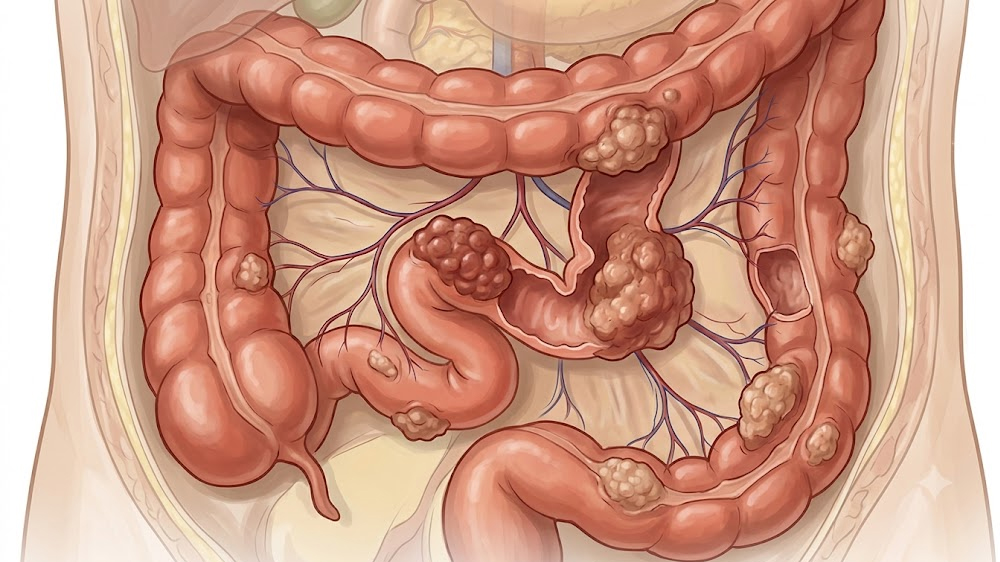
Surgical Management of Small Bowel Tumours
Small intestinal tumours are rare neoplasms that arise in the duodenum, jejunum, or ileum. Although uncommon, these tumours can be benign or malignant and may present with vague symptoms such as abdominal pain, bleeding, obstruction, or weight loss. Early diagnosis and appropriate surgical intervention are crucial for optimal outcomes.
Dr. Surendra Pal Jakhar has extensive experience in the surgical management of small intestinal tumours, utilizing both laparoscopic and open techniques to achieve complete resection with clear margins. His approach emphasizes oncological principles while preserving as much healthy bowel as possible to maintain optimal digestive function.
Types of Small Intestinal Tumours
- Benign Tumours: Adenomas, lipomas, leiomyomas, neurofibromas, and hamartomas.
- Malignant Tumours: Adenocarcinoma (most common), neuroendocrine tumours (carcinoids), gastrointestinal stromal tumours (GISTs), lymphomas, and sarcomas.
- Metastatic Tumours: From other primary sites such as melanoma, lung, breast, or colon cancer.
Indications for Surgical Intervention
- Symptomatic tumours causing bleeding, obstruction, or intussusception
- Malignant or potentially malignant tumours requiring curative resection
- Large benign tumours (>2 cm) with risk of malignant transformation
- Neuroendocrine tumours with carcinoid syndrome or metastatic potential
- GISTs requiring surgical excision
- Diagnostic uncertainty requiring surgical biopsy or exploration
Surgical Procedures Offered
- Segmental Bowel Resection: Removal of the involved segment of small intestine with primary anastomosis.
- Laparoscopic Bowel Resection: Minimally invasive approach for selected tumours, offering faster recovery and reduced morbidity.
- Wedge Resection: For small, benign or early-stage tumours.
- Whipple Procedure (Pancreaticoduodenectomy): For tumours involving the duodenum or ampulla of Vater.
- Lymph Node Dissection: For malignant tumours to ensure complete staging and oncological clearance.
Common Symptoms of Small Intestinal Tumours
- Abdominal pain or cramping
- Gastrointestinal bleeding (melena or hematochezia)
- Nausea and vomiting (especially with obstruction)
- Unexplained weight loss
- Iron deficiency anemia
- Intussusception (telescoping of the bowel)
- Palpable abdominal mass (in advanced cases)
Post-Operative Care and Follow-Up
- Hospital stay typically 5-10 days depending on the extent of surgery
- Gradual advancement of diet – starting with clear liquids and progressing to a regular diet
- Pain management and early mobilization to prevent complications
- Histopathological evaluation for definitive diagnosis and staging
- Regular follow-up with imaging and tumor markers for surveillance
- Adjuvant therapy (chemotherapy, radiation, or targeted therapy) as indicated by pathology
Why Choose Dr. Surendra Pal Jakhar?
Dr. Surendra Pal Jakhar is a highly experienced gastrointestinal surgeon with specialized expertise in the surgical management of small intestinal tumours. His approach combines meticulous surgical technique, comprehensive preoperative evaluation, and multidisciplinary care to achieve the best possible outcomes for patients. Dr. Jakhar is committed to patient education, shared decision-making, and compassionate care throughout the treatment journey.
Schedule a consultation today to discuss your condition and explore the best treatment options for small intestinal tumours.