
Laparoscopic Cholecystectomy
- Home
- /
- Gall Bladder Diseases
- /
- Laparoscopic Cholecystectomy
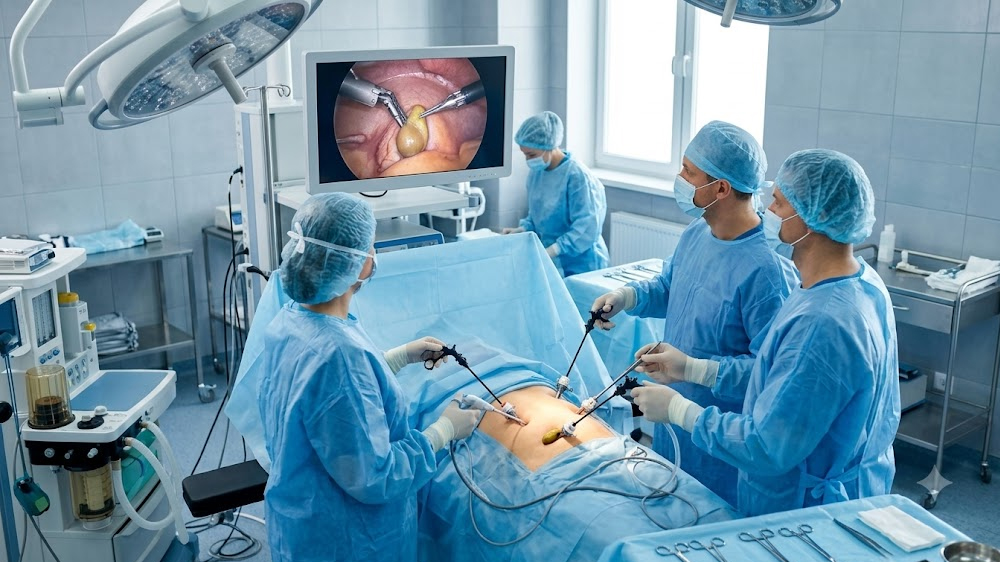
Minimally Invasive Gallbladder Removal Surgery
Laparoscopic cholecystectomy is the gold standard surgical procedure for removing the gallbladder. It is a minimally invasive technique that uses small incisions, a camera (laparoscope), and specialized instruments to safely remove the gallbladder with precision. This procedure is most commonly performed for symptomatic gallstones, acute or chronic cholecystitis, gallbladder polyps, and other gallbladder disorders.
Dr. Surendra Pal Jakhar is an experienced laparoscopic surgeon who has performed hundreds of successful cholecystectomies. Using advanced surgical techniques, we ensure minimal discomfort, faster recovery, and excellent cosmetic outcomes for our patients.
Why Laparoscopic Cholecystectomy?
- Minimally Invasive: Performed through 3-4 small incisions (0.5-1 cm) instead of a large abdominal incision.
- Less Pain: Significantly reduced postoperative pain compared to open surgery.
- Faster Recovery: Most patients return to normal activities within 7-10 days.
- Shorter Hospital Stay: Often performed as a day-care procedure or with just one overnight stay.
- Better Cosmetic Results: Small scars that fade over time.
- Reduced Risk of Infection: Smaller incisions mean lower risk of wound complications.
Conditions Treated with Laparoscopic Cholecystectomy
- Symptomatic Gallstones: Stones causing biliary colic, nausea, or vomiting.
- Acute Cholecystitis: Sudden inflammation of the gallbladder.
- Chronic Cholecystitis: Long-standing gallbladder inflammation.
- Gallbladder Polyps: Benign growths that may carry a risk of malignancy.
- Biliary Dyskinesia: Impaired gallbladder emptying without stones.
- Gallbladder Cancer (early stages): When detected early, laparoscopic removal may be considered.
The Procedure – Step by Step
- Anesthesia: The procedure is performed under general anesthesia.
- Incision: 3-4 small incisions are made in the abdomen.
- Carbon Dioxide Insufflation: The abdomen is inflated with CO₂ to create space for surgery.
- Laparoscope Insertion: A camera is inserted through one incision to visualize the surgical field.
- Gallbladder Dissection: The gallbladder is carefully separated from the liver and surrounding structures.
- Clipping and Cutting: The cystic duct and artery are clipped and divided.
- Gallbladder Removal: The gallbladder is removed through one of the incisions.
- Closure: Incisions are closed with sutures or surgical glue.
Recovery and Aftercare
- Hospital Stay: Usually 0-1 day (day-care or overnight observation).
- Return to Normal Activities: Light activities within 3-5 days; full recovery in 7-10 days.
- Diet: A normal diet can be resumed, but fatty foods may be avoided initially.
- Follow-up: A follow-up visit is scheduled 1-2 weeks after surgery.
- Long-term Outlook: Most patients experience complete relief from symptoms and can lead a normal life without the gallbladder.
Why Choose Dr. Surendra Pal Jakhar?
Dr. Surendra Pal Jakhar brings over a decade of specialized experience in laparoscopic and gastrointestinal surgery. His expertise, combined with a compassionate, patient-centered approach, ensures that every patient receives the highest standard of care. From preoperative counseling to postoperative follow-up, we are committed to your well-being at every step.
Contact us today to schedule a consultation and learn if laparoscopic cholecystectomy is the right option for you.