
Mesenteric Ischaemia
- Home
- /
- Small Bowel Disorders
- /
- Mesenteric Ischaemia
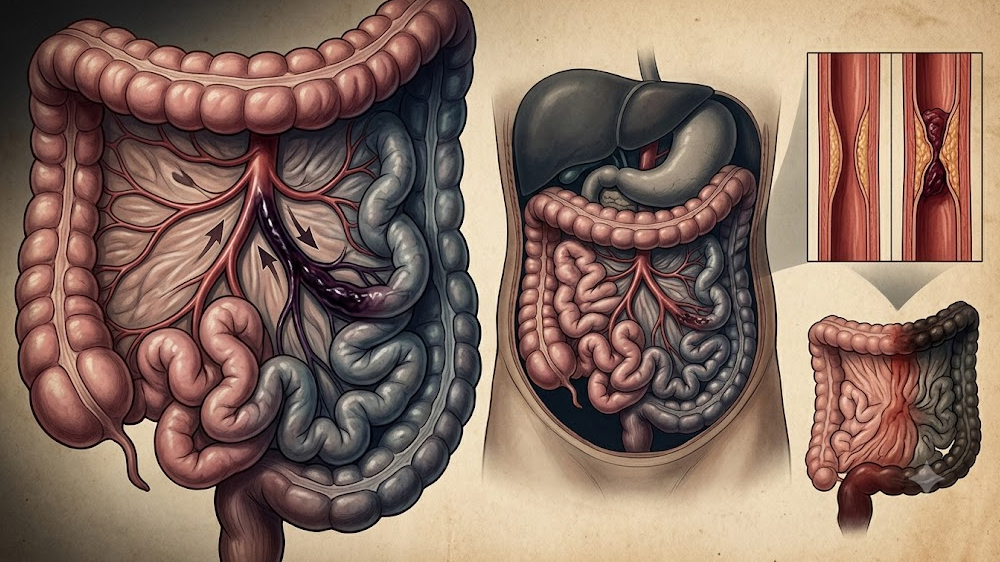
Surgical Management of Intestinal Ischaemia
Mesenteric ischaemia is a serious condition characterized by reduced blood flow to the intestines, leading to tissue damage, necrosis, and potentially life-threatening complications. It can be acute (sudden onset) or chronic (gradual progression), with acute mesenteric ischaemia being a surgical emergency requiring prompt intervention to prevent bowel necrosis and patient death.
Dr. Surendra Pal Jakhar has extensive experience in the surgical management of mesenteric ischaemia, including emergency revascularization, bowel resection, and second-look procedures. His expertise in both open and minimally invasive techniques ensures optimal outcomes for patients with this challenging condition.
Types of Mesenteric Ischaemia
- Acute Mesenteric Ischaemia (AMI): Sudden interruption of blood flow due to embolus, thrombosis, or non-occlusive causes. This is a surgical emergency with high mortality if not treated promptly.
- Chronic Mesenteric Ischaemia (CMI): Gradual narrowing of mesenteric arteries due to atherosclerosis, presenting with postprandial abdominal pain ("food fear") and weight loss.
- Non-Occlusive Mesenteric Ischaemia (NOMI): Reduced blood flow due to low cardiac output, vasoconstriction, or shock states, often seen in critically ill patients.
- Mesenteric Venous Thrombosis (MVT): Clot formation in the mesenteric veins, leading to bowel congestion and ischaemia.
Causes and Risk Factors
- Atherosclerosis and cardiovascular disease
- Atrial fibrillation (source of emboli)
- Abdominal aortic aneurysm
- Hypercoagulable states (thrombophilia)
- Sepsis and shock
- Vasoconstrictive medications (e.g., cocaine, ergotamine)
- Recent cardiac surgery or angiography
- Inflammatory bowel disease
Common Symptoms
- Acute: Sudden, severe abdominal pain (out of proportion to physical findings), nausea, vomiting, diarrhoea, bloody stools, and signs of shock.
- Chronic: Postprandial abdominal pain (15-60 minutes after eating), food avoidance, weight loss, and constipation or diarrhoea.
- Non-specific symptoms: Abdominal distension, tachycardia, fever, and altered mental status in advanced cases.
Surgical Treatment Options
- Emergency Laparotomy: Immediate surgical exploration for acute mesenteric ischaemia to assess bowel viability.
- Revascularization: Embolectomy, thrombectomy, or bypass surgery to restore blood flow to the ischaemic bowel.
- Bowel Resection: Removal of non-viable (necrotic) bowel segments with primary anastomosis or stoma formation.
- Second-Look Laparotomy: Planned re-exploration within 24-48 hours to reassess bowel viability and perform additional resection if needed.
- Angioplasty and Stenting: Endovascular procedures for chronic mesenteric ischaemia or as an adjunct to surgery.
- Damage Control Surgery: For critically ill patients, staged procedures with temporary abdominal closure.
Post-Operative Care and Recovery
- ICU admission for close monitoring of vital signs, fluid balance, and organ function
- Anticoagulation therapy to prevent recurrence
- Enteral or parenteral nutrition support as needed
- Wound care and management of surgical drains
- Gradual advancement of diet as bowel function returns
- Long-term follow-up with vascular and gastrointestinal specialists
Why Choose Dr. Surendra Pal Jakhar?
Dr. Surendra Pal Jakhar is a highly experienced surgeon with expertise in the management of complex vascular and gastrointestinal emergencies including mesenteric ischaemia. His approach combines prompt diagnosis, evidence-based surgical techniques, and multidisciplinary collaboration with vascular surgeons, interventional radiologists, and intensivists. Dr. Jakhar is committed to providing compassionate, patient-centered care with a focus on optimizing outcomes and quality of life.
In case of acute abdominal pain, seek emergency medical attention immediately. For chronic symptoms, schedule a consultation to discuss your condition and explore treatment options.