
Pancreatic Cancer
- Home
- /
- Pancreatic Disorders
- /
- Pancreatic Cancer
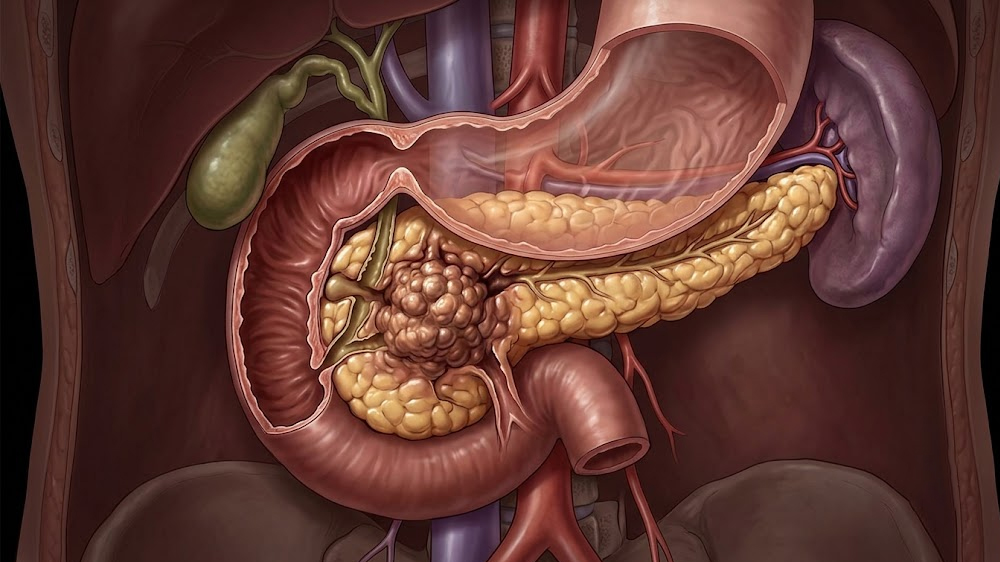
Comprehensive Surgical Management of Pancreatic Cancer
Pancreatic cancer is a highly aggressive malignancy that arises from the cells of the pancreas. It is the fourth leading cause of cancer-related deaths worldwide, with a 5-year survival rate of approximately 10-12% for all stages combined. However, early detection and prompt surgical intervention can significantly improve outcomes, with curative resection offering the only chance for long-term survival.
Dr. Surendra Pal Jakhar has extensive experience in the surgical management of pancreatic cancer, performing complex resections such as the Whipple procedure (pancreaticoduodenectomy) and distal pancreatectomy. His approach combines meticulous surgical technique, comprehensive preoperative evaluation, and multidisciplinary care to achieve the best possible outcomes for pancreatic cancer patients.
Types of Pancreatic Cancer
- Pancreatic Ductal Adenocarcinoma (PDAC): The most common type, accounting for over 90% of cases, arising from the exocrine cells lining the pancreatic ducts.
- Pancreatic Neuroendocrine Tumors (PNETs): Rare tumors arising from hormone-producing cells, with a better prognosis than PDAC.
- Acinar Cell Carcinoma: A rare tumor arising from the acinar cells that produce digestive enzymes.
- Intraductal Papillary Mucinous Neoplasms (IPMNs): Precursor lesions with malignant potential.
- Mucinous Cystic Neoplasms (MCNs): Cystic tumors with malignant potential, more common in women.
Risk Factors for Pancreatic Cancer
- Age (most cases diagnosed after 60 years)
- Smoking (doubles the risk)
- Obesity and physical inactivity
- Chronic pancreatitis
- Diabetes mellitus (especially new-onset diabetes in older adults)
- Family history of pancreatic cancer or genetic syndromes (BRCA2, Lynch syndrome, etc.)
- Diet high in processed meats and low in fruits/vegetables
Common Symptoms of Pancreatic Cancer
- Jaundice (yellowing of skin and eyes) – often the first sign in head of pancreas tumors
- Epigastric or back pain (often dull and persistent)
- Unexplained weight loss and cachexia
- Loss of appetite
- Nausea and vomiting
- New-onset diabetes or worsening of existing diabetes
- Dark urine and pale, greasy stools (steatorrhea)
- Pruritus (itching) due to bile salt accumulation
Surgical Treatment Options
- Whipple Procedure (Pancreaticoduodenectomy): The standard curative resection for tumors in the head of the pancreas, involving removal of the pancreatic head, duodenum, distal common bile duct, gallbladder, and sometimes the distal stomach.
- Distal Pancreatectomy: Performed for tumors in the body and tail of the pancreas, often with splenectomy.
- Total Pancreatectomy: Removal of the entire pancreas, reserved for extensive disease or multicentric tumors.
- Laparoscopic or Robotic Pancreatic Resection: Minimally invasive approaches for selected patients with early-stage tumors.
- Palliative Bypass Surgery: For unresectable tumors – biliary bypass (choledochojejunostomy) and gastric bypass (gastrojejunostomy) to relieve obstructive symptoms.
- Biliary Stenting: Endoscopic or percutaneous placement of stents for biliary obstruction in inoperable cases.
Post-Operative Care and Recovery
- Hospital stay typically 7-14 days depending on the complexity of the procedure
- Intensive care monitoring initially, followed by ward care
- Pain management and early mobilization to prevent complications
- Nutritional support – enteral or parenteral nutrition as needed; pancreatic enzyme replacement therapy (PERT) for exocrine insufficiency
- Management of diabetes (if total or near-total pancreatectomy)
- Adjuvant chemotherapy or chemoradiotherapy based on pathological findings
- Regular follow-up with imaging (CT/MRI) and tumor markers (CA19-9) for surveillance
Why Choose Dr. Surendra Pal Jakhar?
Dr. Surendra Pal Jakhar is a highly experienced gastrointestinal and hepatobiliary surgeon with specialized expertise in complex pancreatic resections including the Whipple procedure and distal pancreatectomy. His comprehensive approach includes thorough preoperative evaluation, meticulous surgical technique, and multidisciplinary care involving medical oncology, radiation oncology, and supportive care services. Dr. Jakhar is committed to providing compassionate, patient-centered care throughout the treatment journey, from diagnosis to recovery and long-term surveillance.
Schedule a consultation today to discuss your pancreatic cancer diagnosis and explore the best treatment options available.