
Pancreatic Pseudocyst
- Home
- /
- Pancreatic Disorders
- /
- Pancreatic Pseudocyst
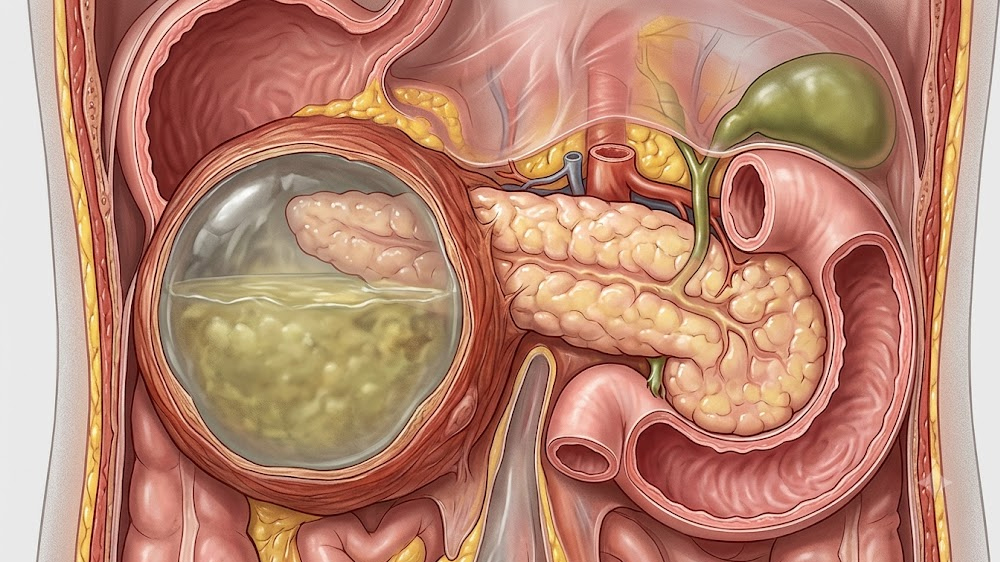
Expert Surgical Management of Pancreatic Pseudocysts
A pancreatic pseudocyst is a fluid-filled collection of pancreatic enzymes, tissue debris, and inflammatory exudate that forms after an episode of acute pancreatitis, chronic pancreatitis, or pancreatic trauma. Unlike true cysts, pseudocysts lack an epithelial lining and are surrounded by a fibrous wall of granulation tissue.
Dr. Surendra Pal Jakhar specializes in the diagnosis and surgical management of pancreatic pseudocysts using advanced minimally invasive and open techniques. Treatment options range from percutaneous drainage to surgical internal drainage (cysto-enterostomy or cysto-gastrostomy), depending on the size, location, and characteristics of the pseudocyst.
Causes of Pancreatic Pseudocysts
- Acute Pancreatitis: The most common cause, often secondary to gallstones or alcohol abuse.
- Chronic Pancreatitis: Long-standing inflammation leading to ductal disruption.
- Pancreatic Trauma: Blunt or penetrating abdominal injury.
- Pancreatic Surgery: Postoperative fluid collections.
- Idiopathic: No identifiable cause in some cases.
Common Symptoms
- Abdominal pain (often persistent and dull)
- Nausea and vomiting
- Early satiety and weight loss
- Palpable abdominal mass (in large pseudocysts)
- Jaundice (if causing bile duct compression)
- Fever and signs of infection if the pseudocyst becomes infected
Surgical Treatment Options
- Observation: For small, asymptomatic pseudocysts that may resolve spontaneously.
- Percutaneous Drainage: Ultrasound or CT-guided catheter drainage for infected or symptomatic pseudocysts.
- Endoscopic Drainage: Transgastric or transduodenal drainage using endoscopic ultrasound (EUS) guidance.
- Cysto-Gastrostomy: Surgical creation of an internal drainage tract between the pseudocyst and the stomach.
- Cysto-Jejunostomy (Roux-en-Y): Internal drainage into a Roux-en-Y loop of jejunum for retroperitoneal pseudocysts.
- Cysto-Enterostomy: General term for internal drainage into the gastrointestinal tract.
- Laparoscopic Cysto-Enterostomy: Minimally invasive approach for drainage in select cases.
- Distal Pancreatectomy: For pseudocysts associated with pancreatic duct disruption or underlying pancreatic pathology.
Benefits of Surgical Drainage
- Definitive resolution of the pseudocyst
- Relief of abdominal pain and pressure symptoms
- Prevention of complications such as infection, bleeding, or rupture
- Restoration of normal gastrointestinal function
- Improved quality of life
Post-Operative Care and Recovery
- Hospital stay typically 4-7 days depending on the surgical approach
- Pain management and early mobilization
- Gradual advancement of diet – starting with clear liquids and progressing to a low-fat, easily digestible diet
- Pancreatic enzyme supplementation may be needed if pancreatic insufficiency is present
- Close monitoring for signs of recurrence or complications
- Follow-up imaging (CT or ultrasound) to confirm resolution and exclude recurrence
Why Choose Dr. Surendra Pal Jakhar?
Dr. Surendra Pal Jakhar is a highly experienced gastrointestinal and pancreatic surgeon with specialized expertise in the management of pancreatic pseudocysts. He utilizes a multidisciplinary approach, working closely with gastroenterologists and interventional radiologists to provide individualized treatment plans. Whether drainage or resection is indicated, Dr. Jakhar ensures the safest and most effective surgical outcomes using advanced laparoscopic and open techniques.
Schedule a consultation today to discuss your pancreatic pseudocyst and explore the best treatment options available.