
Diverticulitis
- Home
- /
- Large Bowel Disorders
- /
- Diverticulitis
Expert Surgical Management for Diverticular Disease
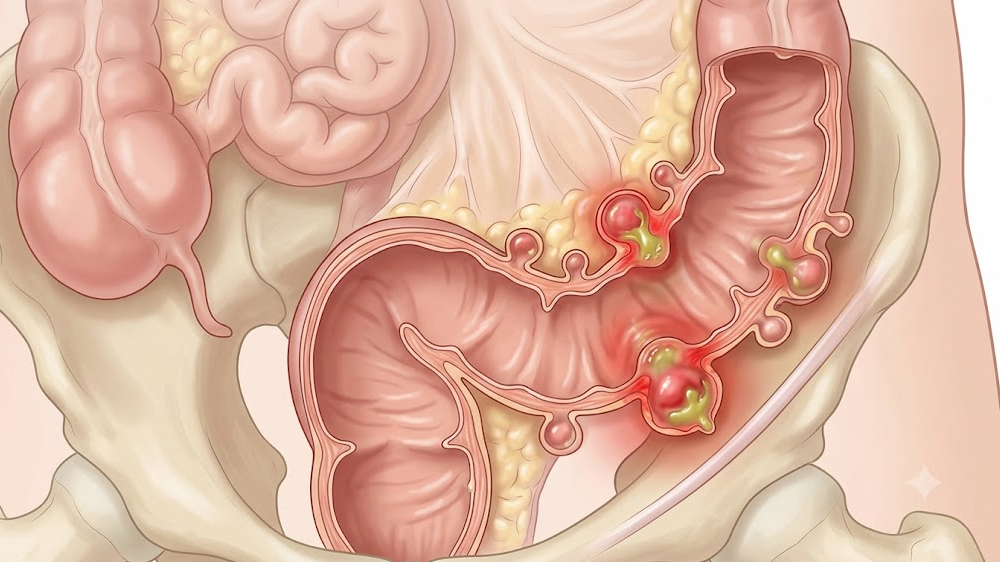
Diverticulitis is a condition characterized by inflammation or infection of diverticula – small, bulging pouches that can form in the lining of the digestive system, most commonly in the colon. When these pouches become inflamed or infected, it leads to diverticulitis, which can range from mild discomfort to life-threatening complications such as perforation, abscess formation, or peritonitis.
Dr. Surendra Pal Jakhar has extensive experience in the surgical management of diverticulitis, utilizing both minimally invasive laparoscopic techniques and open surgery for complex cases. His approach focuses on relieving symptoms, treating complications, and preventing recurrence to improve patients' quality of life.
Types and Stages of Diverticulitis
- Uncomplicated Diverticulitis: Mild inflammation without complications – typically managed with antibiotics and dietary modifications.
- Complicated Diverticulitis: Inflammation with complications such as abscess, perforation, fistula, or obstruction – often requires surgical intervention.
- Recurrent Diverticulitis: Multiple episodes of diverticulitis that may warrant elective surgery to prevent future complications.
- Hinchey Classification: Staging system for diverticulitis severity – from localized inflammation (Stage I) to diffuse peritonitis (Stage IV).
Risk Factors for Diverticulitis
- Age over 40 years
- Low-fiber, high-fat diet
- Chronic constipation
- Obesity and sedentary lifestyle
- Smoking
- Use of non-steroidal anti-inflammatory drugs (NSAIDs)
- Family history of diverticular disease
- Immunosuppression
Common Symptoms
- Sudden, severe pain in the lower left abdomen (most common) or lower right abdomen
- Abdominal tenderness and cramping
- Fever and chills
- Nausea and vomiting
- Changes in bowel habits – constipation or diarrhea
- Bloating and gas
- Rectal bleeding (in some cases)
- Loss of appetite
Surgical Treatment Options
- Laparoscopic Colectomy: Minimally invasive removal of the affected colon segment for uncomplicated or elective cases – offers faster recovery and reduced pain.
- Laparoscopic Anterior Resection: Removal of the sigmoid colon or upper rectum for diverticular disease involving the sigmoid region.
- Open Colectomy: Traditional open surgery for complicated diverticulitis with abscess, perforation, or peritonitis.
- Hartmann's Procedure: Resection of the diseased colon with creation of a colostomy – typically reserved for emergency cases with diffuse peritonitis.
- Abscess Drainage: Image-guided percutaneous drainage of diverticular abscesses as a bridge to elective surgery.
- Primary Anastomosis: Restoration of bowel continuity after resection – performed when safe and appropriate.
Post-Operative Care and Recovery
- Hospital stay typically 2-5 days for laparoscopic surgery, longer for open or emergency procedures
- Intravenous antibiotics and supportive care
- Gradual advancement of diet – starting with clear liquids and progressing to a high-fiber diet
- Wound care and monitoring for signs of infection
- Gradual return to normal activities – typically within 2-6 weeks depending on the procedure
- Long-term dietary modifications – high-fiber diet, adequate hydration, and avoidance of constipating foods
- Regular follow-up with the surgeon for monitoring and surveillance
Why Choose Dr. Surendra Pal Jakhar?
Dr. Surendra Pal Jakhar is a highly experienced gastrointestinal surgeon with extensive expertise in the surgical management of diverticulitis and diverticular disease. His approach combines advanced laparoscopic techniques with evidence-based decision-making to provide optimal outcomes for patients at all stages of the disease. Dr. Jakhar is committed to patient education, shared decision-making, and compassionate care throughout the treatment journey.
Schedule a consultation today to discuss your diverticular disease and explore the best surgical and medical treatment options available.