
Lateral Pancreaticojejunostomy
- Home
- /
- Pancreatic Disorders
- /
- Lateral Pancreaticojejunostomy
Surgical Drainage for Chronic Pancreatitis
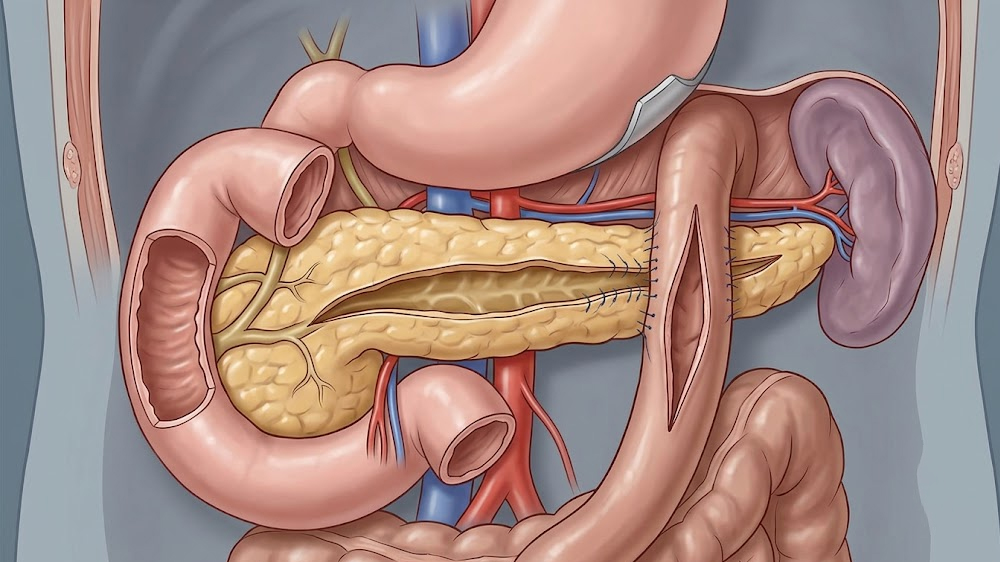
Lateral pancreaticojejunostomy, also known as the Puestow procedure, is a surgical operation performed to treat chronic pancreatitis with a dilated pancreatic duct. The procedure involves opening the pancreatic duct along its length and creating a side-to-side anastomosis with a loop of jejunum, allowing pancreatic secretions to drain directly into the small intestine.
Dr. Surendra Pal Jakhar has extensive experience in performing lateral pancreaticojejunostomy for patients with debilitating chronic pancreatitis. This procedure provides effective relief from pain, preserves pancreatic function, and improves quality of life in appropriately selected patients.
Indications for Lateral Pancreaticojejunostomy
- Chronic Pancreatitis: With a dilated pancreatic duct (typically > 7 mm in diameter).
- Intractable Pain: Severe abdominal pain refractory to medical management and endoscopic interventions.
- Pancreatic Duct Obstruction: Due to strictures, stones, or inflammatory changes.
- Recurrent Acute Pancreatitis: Episodes of acute pancreatitis secondary to chronic disease.
- Nutritional Impairment: Malabsorption and weight loss due to pancreatic insufficiency.
- Failed Endoscopic Therapy: Patients who have not responded to endoscopic stenting or stone removal.
Surgical Procedure Details
- Preoperative Preparation: Comprehensive evaluation with CT scan, MRCP, and endoscopic ultrasound. Nutritional optimization and management of diabetes/malabsorption.
- Incision: Usually performed via an open approach (midline or transverse incision), though laparoscopic and robotic approaches are being increasingly utilized.
- Pancreatic Mobilization: The pancreas is carefully mobilized, and the dilated pancreatic duct is identified and opened longitudinally.
- Jejunal Loop Preparation: A Roux-en-Y loop of jejunum is constructed and anastomosed to the opened pancreatic duct.
- Anastomosis: A side-to-side anastomosis is created between the pancreatic duct and the jejunum using absorbable sutures, ensuring a wide communication to prevent stricture.
- Completion: The Roux-en-Y anastomosis is completed, and the abdomen is closed with drains placed near the anastomotic site.
Benefits of Lateral Pancreaticojejunostomy
- Effective pain relief in 70-80% of patients
- Preservation of pancreatic endocrine and exocrine function
- Reduced frequency of acute pancreatitis episodes
- Improved nutritional status and weight gain
- Decreased dependence on opioid analgesics
- Enhanced quality of life and return to normal activities
Post-Operative Care and Recovery
- Hospital stay typically 7-14 days depending on the complexity of the procedure
- Intravenous antibiotics, fluids, and nutritional support
- Gradual advancement of diet – starting with clear liquids and progressing to a low-fat diet
- Close monitoring of amylase, lipase, and blood glucose levels
- Pancreatic enzyme supplementation as needed
- Follow-up imaging (CT or ultrasound) to assess anastomotic patency and exclude complications
- Regular follow-up with the surgeon and endocrinologist for long-term management
Why Choose Dr. Surendra Pal Jakhar?
Dr. Surendra Pal Jakhar is a highly experienced gastrointestinal and pancreatic surgeon with specialized expertise in complex pancreatic surgeries including lateral pancreaticojejunostomy. His meticulous surgical technique, comprehensive preoperative evaluation, and compassionate patient care ensure the best possible outcomes for patients with chronic pancreatitis. Dr. Jakhar works closely with a multidisciplinary team including gastroenterologists, endocrinologists, and nutritionists to provide holistic care tailored to each patient's condition.
Schedule a consultation today to discuss your chronic pancreatitis and explore the best surgical treatment options available.