
Esophageal Stricture
- Home
- /
- Esophagus Diseases
- /
- Esophageal Stricture
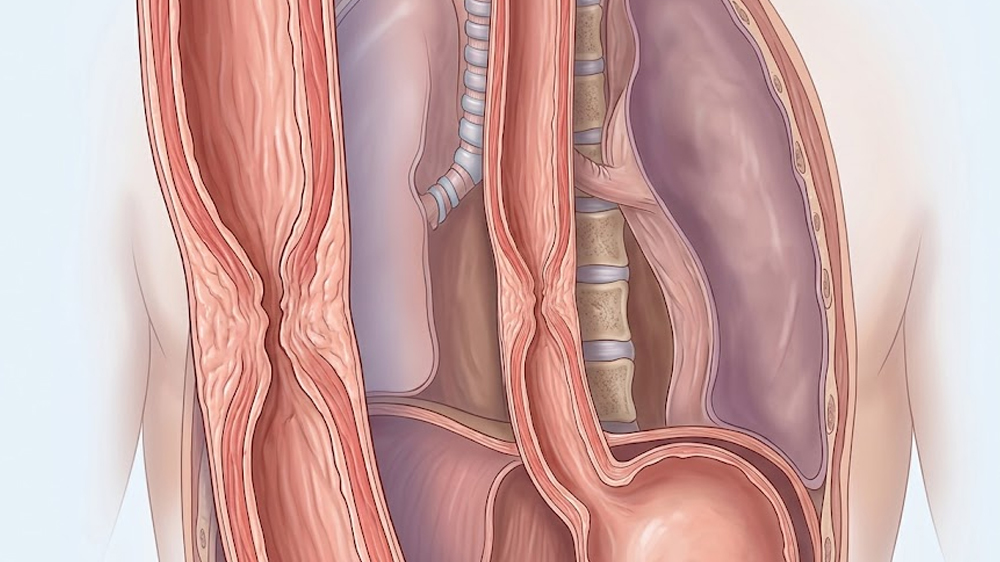
What is an Esophageal Stricture?
An esophageal stricture is an abnormal narrowing of the esophagus, the muscular tube that carries food and liquid from the throat to the stomach. This narrowing makes it difficult for food and liquids to pass through, often leading to difficulty swallowing (dysphagia), pain, and other uncomfortable symptoms. Strictures can develop gradually over time as a result of chronic inflammation, scarring, or tissue damage within the esophageal lining.
While some strictures are benign and treatable, others may indicate more serious underlying conditions. Early diagnosis and treatment are essential to prevent complications such as malnutrition, dehydration, or aspiration pneumonia. Dr. Surendra Pal Jakhar specializes in the diagnosis and management of esophageal strictures using both medical and advanced surgical approaches.
Causes of Esophageal Stricture
Several factors can lead to the development of an esophageal stricture:
- Gastroesophageal Reflux Disease (GERD) – chronic acid reflux can cause inflammation and scarring of the esophagus, leading to a peptic stricture.
- Eosinophilic Esophagitis – an allergic condition that causes inflammation and fibrosis in the esophagus.
- Radiation Therapy – radiation to the chest or neck area can damage the esophageal lining, causing stricture formation.
- Ingestion of Corrosive Substances – accidental or intentional swallowing of chemicals or strong acids can severely damage the esophagus.
- Surgical Trauma – procedures involving the esophagus may occasionally result in scarring and narrowing.
- Infections – fungal or viral infections (e.g., Candida, herpes) in immunocompromised patients can lead to strictures.
- Esophageal Cancer – malignancy can cause both intrinsic and extrinsic narrowing of the esophagus.
- Congenital Factors – rare birth defects may cause esophageal narrowing in infants or children.
Symptoms of Esophageal Stricture
The symptoms of an esophageal stricture often develop gradually and may include:
- Progressive difficulty swallowing (dysphagia), especially with solid foods
- Feeling of food getting stuck in the chest (food impaction)
- Regurgitation of undigested food
- Heartburn or chest pain
- Unintentional weight loss due to decreased food intake
- Chronic cough or hoarseness
- Increased salivation or drooling
- Malnutrition and dehydration in severe cases
If you experience any of these symptoms, it is important to seek prompt medical evaluation to identify the underlying cause and begin appropriate treatment.
Diagnosis of Esophageal Stricture
Accurate diagnosis is the key to effective treatment. Dr. Surendra Pal Jakhar may recommend one or more of the following diagnostic tests:
- Upper GI Endoscopy (EGD) – a flexible tube with a camera is inserted through the mouth to visualize the esophagus, identify the stricture, and obtain biopsy samples if needed.
- Barium Swallow X-ray – the patient swallows a contrast solution that coats the esophagus, allowing X-rays to highlight the location and extent of narrowing.
- Esophageal Manometry – measures the pressure and muscle function of the esophagus to assess motility disorders.
- 24-hour pH Monitoring – evaluates acid reflux exposure in the esophagus, which is often a contributing factor.
- CT Scan – may be used to rule out tumors or other structural abnormalities.
Treatment Options for Esophageal Stricture
The treatment of esophageal stricture depends on the underlying cause, the severity of the narrowing, and the patient's overall health. Dr. Surendra Pal Jakhar offers a comprehensive, patient-centered approach that includes:
- Endoscopic Dilation – the most common procedure, where a balloon or bougie dilator is passed through the stricture to gently stretch it open. This is typically performed during an EGD under sedation.
- Medical Therapy – proton pump inhibitors (PPIs) to control acid reflux, antifungals or antivirals for infectious causes, and dietary modifications to reduce irritation.
- Stent Placement – for recurrent or malignant strictures, a self-expanding metal or plastic stent may be placed to keep the esophagus open.
- Injection of Steroids – intralesional steroid injections may help reduce scar tissue and prevent restenosis after dilation.
- Surgery – in cases of complex, refractory, or malignant strictures, surgical resection of the affected segment with reconstruction (esophagectomy) may be necessary.
- Lifestyle Modifications – eating smaller, softer meals, chewing thoroughly, and avoiding foods that trigger symptoms.
The choice of treatment is individualized based on the patient's specific condition and response to initial therapies. Many patients experience significant relief and improved swallowing function after successful intervention.
Recovery After Esophageal Stricture Treatment
Recovery following endoscopic dilation or surgery is generally smooth, especially with minimally invasive techniques. Post-procedure care includes:
- A soft or liquid diet for the first 24-48 hours, gradually advancing to solid foods as tolerated
- Continuation of acid-suppressing medications to prevent reflux-related recurrence
- Follow-up endoscopy to assess the success of dilation and monitor for restenosis
- Nutritional support in cases of prolonged difficulty eating
Most patients resume normal eating habits within a few weeks. Long-term outlook is excellent when the underlying cause is properly managed.
Why Choose Dr. Surendra Pal Jakhar for Esophageal Stricture Care?
- Extensive experience in both endoscopic and surgical management of esophageal strictures
- Expertise in complex and recurrent strictures, including those caused by GERD, radiation, or malignancy
- Skilled in advanced dilation techniques and minimally invasive surgical approaches
- Comprehensive care from diagnosis through long-term follow-up
- Personalized treatment plans tailored to each patient's unique needs
- Over 10+ years of experience in gastrointestinal and esophageal surgery
If you or a loved one is experiencing difficulty swallowing or other symptoms of an esophageal stricture, schedule a consultation with Dr. Surendra Pal Jakhar for expert evaluation and compassionate care.
Book a Consultation
Timely diagnosis and treatment can prevent complications and restore your ability to eat comfortably. Contact our clinic today to book an appointment with Dr. Surendra Pal Jakhar, one of the best gastrointestinal and advanced laparoscopic surgeons in Jaipur.