
Gall Stone
- Home
- /
- Gall Bladder Diseases
- /
- Gall Stone
Expert Surgical Treatment for Gallstones
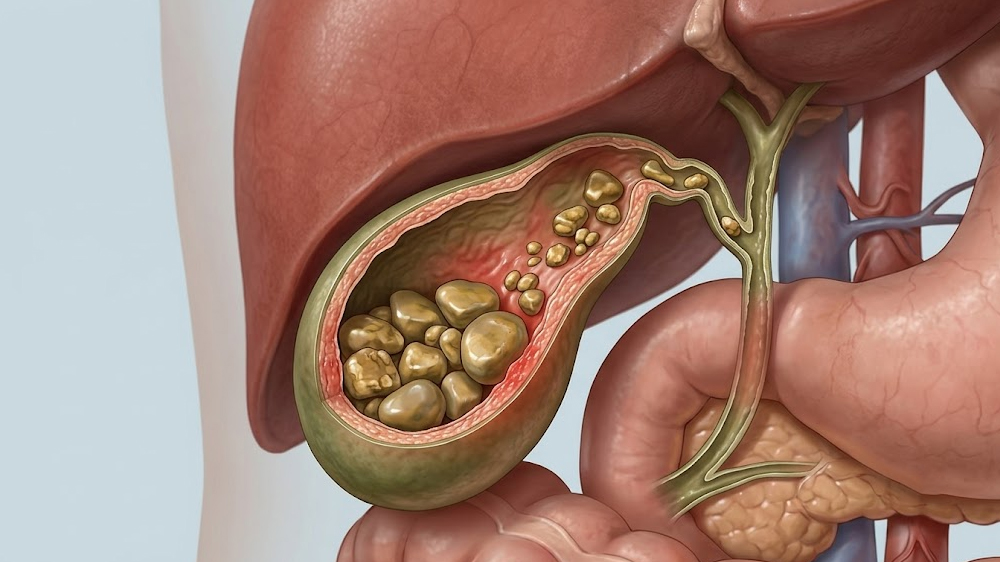
Gallstones (cholelithiasis) are hardened deposits of digestive fluid that form in the gallbladder. They range in size from as small as a grain of sand to as large as a golf ball. Gallstones are among the most common digestive disorders, affecting millions of people worldwide. While some gallstones cause no symptoms, others can lead to severe abdominal pain, nausea, and life-threatening complications such as acute cholecystitis, pancreatitis, or bile duct obstruction.
Dr. Surendra Pal Jakhar specializes in the diagnosis and surgical management of gallstones using advanced minimally invasive techniques. With a focus on patient safety and comfort, we offer laparoscopic cholecystectomy – the gold standard treatment for symptomatic gallstones – ensuring faster recovery, minimal scarring, and excellent outcomes.
Types of Gallstones
- Cholesterol Stones: The most common type, formed when bile contains too much cholesterol or bilirubin.
- Pigment Stones: Dark brown or black stones formed from excess bilirubin, often seen in patients with cirrhosis, biliary tract infections, or hereditary blood disorders.
- Mixed Stones: A combination of cholesterol and pigment stones.
Risk Factors for Gallstones
- Female gender and pregnancy
- Obesity and rapid weight loss
- High-fat, high-cholesterol, low-fiber diet
- Family history of gallstones
- Diabetes and metabolic syndrome
- Liver cirrhosis and hemolytic disorders
- Age above 40 years
Common Symptoms of Gallstones
- Sudden, intense pain in the upper right or middle abdomen (biliary colic)
- Pain that radiates to the right shoulder or back
- Nausea and vomiting, especially after fatty meals
- Indigestion, bloating, and belching
- Fever and chills (if infection develops)
- Jaundice (yellowing of skin and eyes) – indicates bile duct involvement
Surgical Treatment Options
- Laparoscopic Cholecystectomy: The most commonly performed procedure for gallstones. It involves removing the gallbladder through 3-4 small incisions using a camera and specialized instruments. Recovery is typically quick, with most patients going home the same day or after an overnight stay.
- Open Cholecystectomy: Performed when laparoscopic surgery is not safe due to severe inflammation, scarring, or anatomical challenges. A larger incision is made in the abdomen to remove the gallbladder.
- Intraoperative Cholangiography: An X-ray performed during surgery to check for stones in the bile ducts.
- Laparoscopic Common Bile Duct Exploration: For patients with stones that have migrated into the common bile duct, this procedure allows retrieval of stones during the same operation.
- Endoscopic Retrograde Cholangiopancreatography (ERCP): An endoscopic procedure to remove stones from the bile duct before or after gallbladder removal.
Why Choose Dr. Surendra Pal Jakhar?
Dr. Surendra Pal Jakhar has extensive experience in laparoscopic gallbladder surgery, having performed hundreds of successful cholecystectomies with excellent outcomes. His patient-first approach ensures thorough preoperative evaluation, personalized care, and meticulous surgical technique. We prioritize patient education and shared decision-making, helping you understand your condition and treatment options fully.
Schedule a consultation today to discuss your gallstone symptoms and explore the best surgical options for you.