
Gall Bladder Polyp
- Home
- /
- Gall Bladder Diseases
- /
- Gall Bladder Polyp
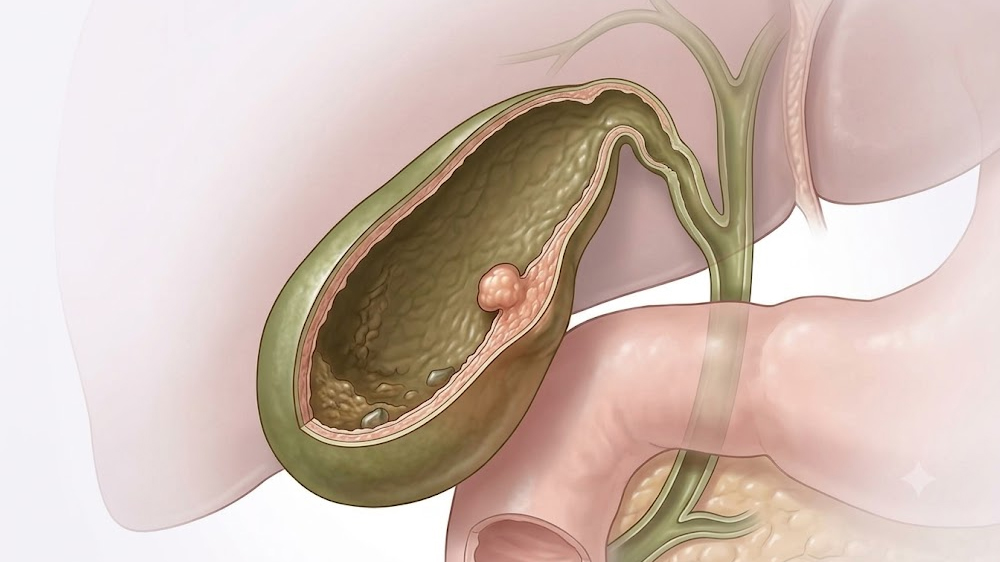
Expert Surgical Management for Gallbladder Polyps
Gallbladder polyps are abnormal growths that protrude from the lining of the gallbladder wall. They are increasingly detected incidentally during abdominal ultrasound examinations. While most gallbladder polyps are benign and non-cancerous, some may have malignant potential, especially those larger than 1 cm in size. Accurate diagnosis and appropriate management are crucial to prevent progression to gallbladder cancer.
Dr. Surendra Pal Jakhar provides comprehensive evaluation and surgical treatment for gallbladder polyps. Using advanced laparoscopic techniques, we offer cholecystectomy (gallbladder removal) when indicated, ensuring complete removal of the polyp and eliminating the risk of malignancy.
Types of Gallbladder Polyps
- Cholesterol Polyps: The most common type, composed of cholesterol deposits; typically small and benign.
- Inflammatory Polyps: Associated with chronic inflammation of the gallbladder wall.
- Adenomatous Polyps: True neoplastic polyps with potential for malignant transformation.
- Malignant Polyps: Early gallbladder cancers that present as polypoid lesions.
Risk Factors for Gallbladder Polyps
- Age above 50 years
- Female gender
- Gallstones and chronic cholecystitis
- Obesity and metabolic syndrome
- Primary sclerosing cholangitis
- Family history of gallbladder cancer
Common Symptoms
- Most gallbladder polyps are asymptomatic and found incidentally
- Mild right upper quadrant abdominal pain (if symptomatic)
- Nausea and bloating
- Indigestion, especially after fatty meals
- In rare cases, jaundice or acute cholecystitis
When is Surgery Recommended?
- Polyp size > 1 cm (10 mm): High risk of malignancy; cholecystectomy is strongly recommended.
- Polyp size 6-9 mm with risk factors: Close surveillance or surgical removal based on patient-specific factors.
- Polyp size < 6 mm: Usually benign; regular ultrasound follow-up is advised.
- Symptomatic polyps: Surgical removal even if small.
- Growth on surveillance imaging: Increase in size on follow-up ultrasound is an indication for surgery.
Surgical Treatment Options
- Laparoscopic Cholecystectomy: The gold standard procedure for gallbladder polyp removal. The entire gallbladder is removed through small incisions, ensuring complete excision of the polyp and preventing any future risk.
- Open Cholecystectomy: Performed in cases of suspected malignancy or when laparoscopic surgery is not feasible.
- Intraoperative Frozen Section: During surgery, the polyp may be sent for immediate pathological examination to guide further treatment.
Why Choose Dr. Surendra Pal Jakhar?
Dr. Surendra Pal Jakhar has extensive experience in hepatobiliary surgery, including the management of gallbladder polyps. He offers personalized, evidence-based care, utilizing the latest laparoscopic techniques to ensure safe and effective treatment. Our approach includes thorough preoperative evaluation, clear communication, and compassionate postoperative care, ensuring the best possible outcomes for our patients.
Schedule a consultation today to discuss your gallbladder polyp and explore the best treatment options for you.