
Intestinal Tuberculosis
- Home
- /
- Large Bowel Disorders
- /
- Intestinal Tuberculosis
Surgical Management of Abdominal Tuberculosis
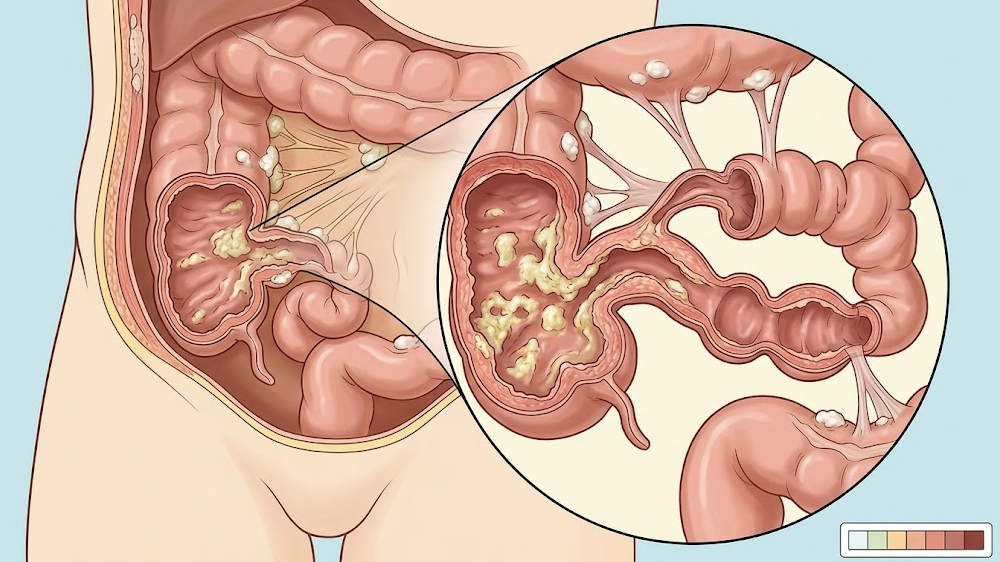
Intestinal tuberculosis (TB) is a form of extrapulmonary tuberculosis that affects the gastrointestinal tract, most commonly the ileocecal region. It is caused by Mycobacterium tuberculosis and is more prevalent in developing countries, including India. Intestinal TB can present with a variety of symptoms ranging from chronic abdominal pain to life-threatening complications such as obstruction, perforation, or hemorrhage.
Dr. Surendra Pal Jakhar has extensive experience in the surgical management of intestinal tuberculosis, including emergency and elective procedures for complications such as obstruction, perforation, strictures, and fistulas. His approach combines prompt surgical intervention with appropriate anti-tubercular therapy to achieve optimal outcomes.
Types of Intestinal Tuberculosis
- Ulcerative Type: Most common form, characterized by multiple transverse ulcers in the ileocecal region.
- Hypertrophic Type: Presents as a mass-like lesion, often mimicking malignancy.
- Stricturing Type: Formation of fibrous strictures leading to intestinal obstruction.
- Perforated Type: Acute perforation leading to peritonitis, a surgical emergency.
- Fistulating Type: Formation of internal or external fistulas.
Common Sites of Involvement
- Ileocecal region (most common – 70-80% of cases)
- Terminal ileum
- Cecum and ascending colon
- Jejunum and duodenum
- Rectum and anus (rare)
Clinical Features and Symptoms
- Chronic abdominal pain (especially right lower quadrant)
- Alteration in bowel habits (diarrhea, constipation, or alternating)
- Weight loss and anorexia
- Low-grade fever and night sweats
- Abdominal distension and bloating
- Palpable mass in the right iliac fossa
- Signs of intestinal obstruction (cramping pain, vomiting, distension)
- Acute peritonitis in perforation
Surgical Indications
- Intestinal Obstruction: Complete or partial obstruction not responding to conservative management.
- Perforation: Acute perforation with peritonitis requiring emergency surgery.
- Bleeding: Massive gastrointestinal hemorrhage.
- Fistula Formation: Internal or external fistulas requiring surgical closure.
- Diagnostic Uncertainty: When malignancy cannot be excluded and biopsy is needed.
- Failure of Medical Therapy: Poor response to anti-tubercular therapy with persistent complications.
Surgical Procedures
- Laparoscopic Ileocecal Resection: Minimally invasive removal of the ileocecal region for strictures or localized disease.
- Bowel Resection and Anastomosis: Removal of diseased bowel segments with primary anastomosis.
- Stricturoplasty: Longitudinal incision and transverse closure of strictures to preserve bowel length.
- Emergency Laparotomy: For perforation, obstruction, or hemorrhage with peritoneal contamination.
- Drainage of Abscess: For intra-abdominal collections due to perforation.
- Fistula Repair: Excision of fistulous tract and closure of the defect.
Post-Operative Care and Medical Therapy
- Prompt initiation of anti-tubercular therapy (ATT) – 6 to 9 months of multi-drug regimen.
- Nutritional support and correction of malnutrition
- Close monitoring for complications such as anastomotic leak or wound infection
- Regular follow-up to assess response to ATT and monitor for recurrence
- Lifestyle modifications and dietary advice
Why Choose Dr. Surendra Pal Jakhar?
Dr. Surendra Pal Jakhar is a highly experienced gastrointestinal surgeon with specialized expertise in the management of intestinal tuberculosis and its complications. His approach combines accurate diagnosis, timely surgical intervention, and multidisciplinary collaboration with pulmonologists and infectious disease specialists. Dr. Jakhar is committed to providing compassionate, evidence-based care to ensure the best possible outcomes for patients with abdominal tuberculosis.
Schedule a consultation today to discuss your symptoms and explore the best treatment options for intestinal tuberculosis.