
Laparoscopic Suture Rectopexy
- Home
- /
- Large Bowel Disorders
- /
- Laparoscopic Suture Rectopexy
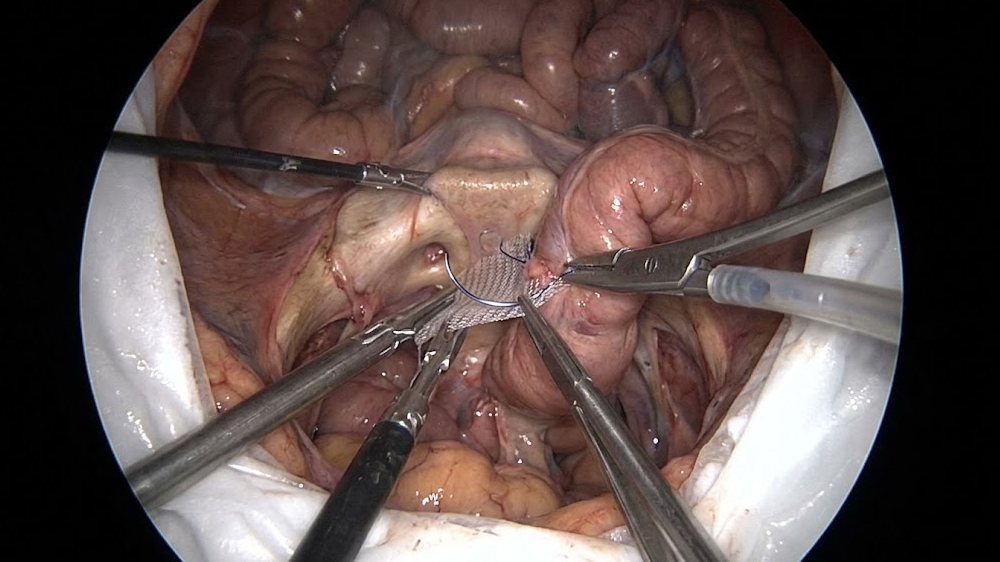
Minimally Invasive Surgical Repair for Rectal Prolapse
Laparoscopic suture rectopexy is a minimally invasive surgical procedure performed to correct rectal prolapse – a condition where the rectum protrudes through the anus. This procedure involves mobilizing the rectum and securing it to the sacrum (tailbone) using non-absorbable sutures, restoring normal anatomy and preventing recurrence.
Dr. Surendra Pal Jakhar is highly experienced in performing laparoscopic suture rectopexy, utilizing advanced minimally invasive techniques that offer significant advantages over traditional open surgery, including faster recovery, less pain, and improved outcomes. This procedure is particularly beneficial for patients with complete rectal prolapse who are fit for abdominal surgery.
Indications for Laparoscopic Suture Rectopexy
- Complete Rectal Prolapse: Full-thickness rectal prolapse that is symptomatic and affects quality of life.
- Internal Rectal Prolapse (Intussusception): When conservative management fails and symptoms are debilitating.
- Fecal Incontinence: Associated with rectal prolapse and not responding to conservative measures.
- Recurrent Prolapse: After previous perineal procedures in patients who are fit for abdominal surgery.
- Patient Preference: Patients who desire a minimally invasive approach with faster recovery.
Surgical Procedure Details
- Preoperative Preparation: Comprehensive evaluation with defecography, colonoscopy, and anorectal manometry. Bowel preparation and prophylactic antibiotics.
- Laparoscopic Access: 4-5 small incisions (5-10 mm) are made in the abdomen for the camera and instruments.
- Rectal Mobilization: The rectum is carefully dissected from the surrounding tissues, preserving the autonomic nerves to maintain bowel and bladder function.
- Rectopexy: The mobilized rectum is secured to the sacral promontory using non-absorbable sutures (2-4 sutures) placed through the anterior longitudinal ligament of the sacrum.
- Peritoneal Closure: The peritoneum is closed over the sutured area to prevent adhesion formation.
- Completion: The incisions are closed, and drains are placed if necessary.
Benefits of Laparoscopic Suture Rectopexy
- Minimally invasive – smaller incisions, less pain, and faster recovery
- Reduced risk of wound complications and incisional hernias
- Shorter hospital stay (typically 2-4 days)
- Better visualization and precise dissection
- Preservation of autonomic nerves (bowel, bladder, and sexual function)
- No use of mesh – eliminates mesh-related complications
- Excellent long-term results with low recurrence rates (3-10%)
Post-Operative Care and Recovery
- Hospital stay typically 2-4 days
- Pain management with oral analgesics
- Gradual return to diet – starting with clear liquids and progressing to a high-fiber diet
- Stool softeners to prevent constipation and straining
- Avoidance of heavy lifting and strenuous activities for 6 weeks
- Regular follow-up to assess bowel function and monitor for recurrence
Why Choose Dr. Surendra Pal Jakhar?
Dr. Surendra Pal Jakhar is a highly experienced laparoscopic surgeon with specialized expertise in colorectal procedures including laparoscopic suture rectopexy. His meticulous surgical technique, comprehensive preoperative evaluation, and patient-centered approach ensure the best possible outcomes for patients with rectal prolapse. Dr. Jakhar has performed numerous successful rectopexy procedures with excellent long-term results and low recurrence rates.
Schedule a consultation today to discuss your rectal prolapse symptoms and explore if laparoscopic suture rectopexy is the right treatment option for you.