
Colon Cancer
- Home
- /
- Large Bowel Disorders
- /
- Colon Cancer
Advanced Surgical Treatment for Colorectal Cancer
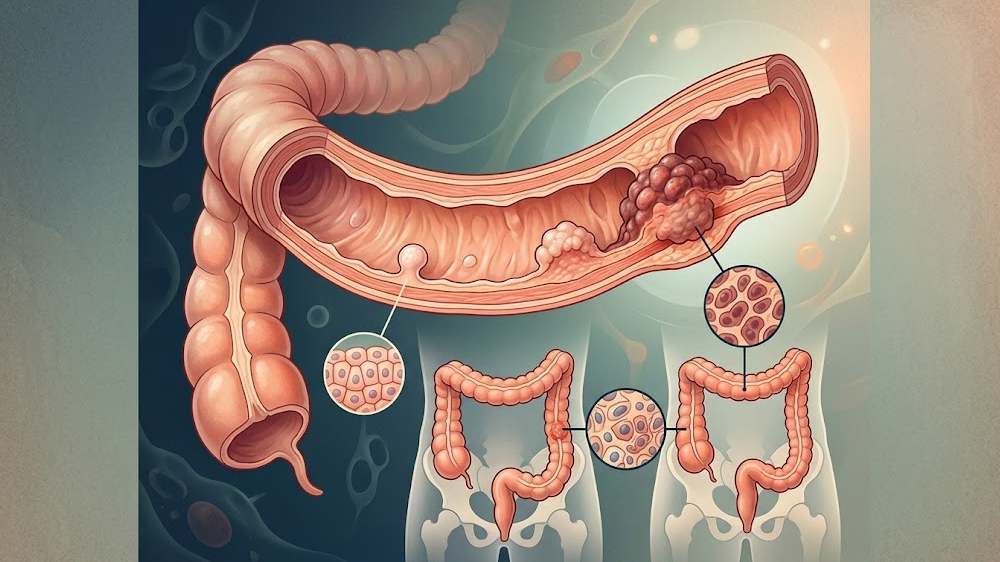
Colon cancer is a malignant tumor that develops in the large intestine (colon), often arising from precancerous polyps. It is one of the most common cancers worldwide and a leading cause of cancer-related deaths. Early detection through screening can significantly improve outcomes, and surgical resection remains the cornerstone of curative treatment.
Dr. Surendra Pal Jakhar specializes in the surgical management of colon cancer, utilizing advanced laparoscopic and open techniques to achieve complete tumor removal while preserving bowel function. His multidisciplinary approach combines surgical expertise with comprehensive oncological care, ensuring the best possible outcomes for his patients.
Risk Factors for Colon Cancer
- Age > 50 years
- Family history of colorectal cancer or polyps
- Inflammatory bowel disease (Crohn's disease, ulcerative colitis)
- Hereditary syndromes (Lynch syndrome, FAP)
- High-fat, low-fiber diet
- Sedentary lifestyle and obesity
- Smoking and excessive alcohol consumption
- Type 2 diabetes
Common Symptoms
- Changes in bowel habits (diarrhea, constipation, or narrowing of stool)
- Rectal bleeding or blood in stool
- Persistent abdominal pain or cramping
- Unexplained weight loss
- Fatigue and weakness
- A feeling that the bowel does not empty completely
- Iron deficiency anemia
Surgical Treatment Options
- Laparoscopic Colectomy: Minimally invasive removal of the affected segment of the colon with lymph node dissection. Offers faster recovery, less pain, and shorter hospital stay.
- Open Colectomy: Traditional open surgery for large tumors, extensive disease, or when laparoscopic approach is not feasible.
- Laparoscopic Anterior Resection: For cancers of the sigmoid colon or upper rectum, preserving sphincter function.
- Abdominoperineal Resection: For low rectal cancers – removal of the rectum and anus with permanent colostomy.
- Total Colectomy: For patients with hereditary syndromes or multiple tumors.
- Robotic-Assisted Surgery: Advanced approach with enhanced precision and visualization.
Multidisciplinary Cancer Care
Dr. Surendra Pal Jakhar works closely with a multidisciplinary team of oncologists, radiation therapists, and pathologists to provide comprehensive cancer care. This collaborative approach ensures that each patient receives an individualized treatment plan that may include surgery, chemotherapy, radiation therapy, or targeted therapy based on the stage and biology of the cancer.
Staging and Prognosis
- Stage 0 (Carcinoma in Situ): Cancer confined to the inner lining; excellent prognosis with surgery.
- Stage I: Cancer has invaded the submucosa; surgery alone is curative.
- Stage II: Cancer has invaded through the bowel wall; surgery plus adjuvant chemotherapy may be recommended.
- Stage III: Cancer has spread to lymph nodes; surgery plus chemotherapy is standard.
- Stage IV: Metastatic disease; surgery may be palliative or combined with systemic therapy.
Post-Operative Care and Recovery
- Hospital stay typically 3-7 days depending on the procedure
- Pain management and early mobilization
- Gradual advancement of diet – starting with clear liquids and progressing to a low-fiber diet
- Wound care and monitoring for complications
- Adjuvant chemotherapy or radiation as indicated by pathology
- Regular follow-up with colonoscopy and tumor markers (CEA)
- Lifestyle modifications – healthy diet, regular exercise, and weight management
Why Choose Dr. Surendra Pal Jakhar?
Dr. Surendra Pal Jakhar is a highly experienced gastrointestinal and colorectal surgeon with specialized expertise in the surgical management of colon cancer. His approach combines advanced laparoscopic techniques with comprehensive oncological care, ensuring optimal outcomes for his patients. Dr. Jakhar is committed to providing compassionate, patient-centered care and works closely with a multidisciplinary team to offer the most effective and individualized treatment plans.
Schedule a consultation today to discuss your colorectal health and explore the best treatment options available for colon cancer.