
Achalasia Cardia
- Home
- /
- Esophagus Diseases
- /
- Achalasia Cardia
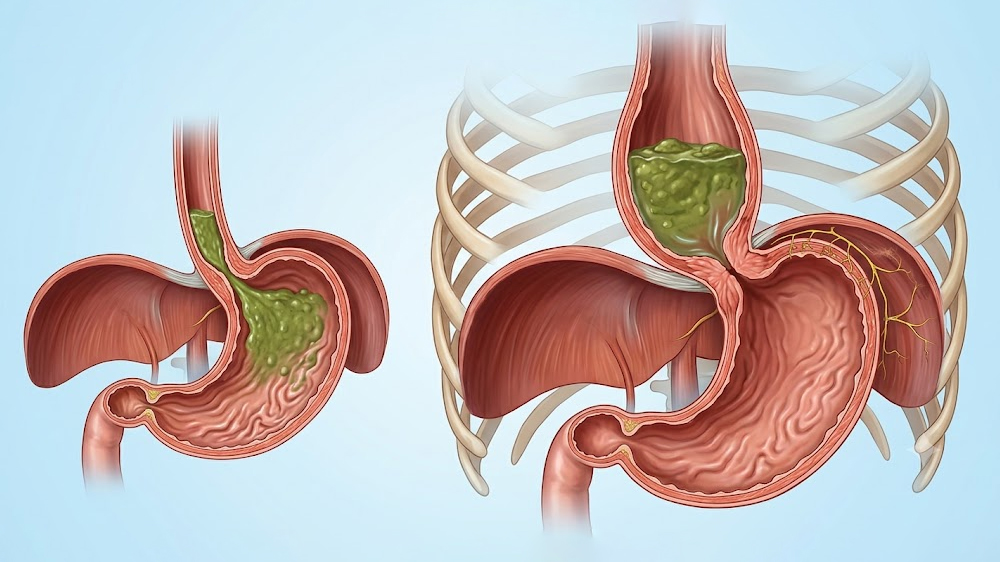
What is Achalasia Cardia?
Achalasia Cardia is a rare and serious disorder of the esophagus that affects the ability to swallow food and liquids. It occurs when the lower esophageal sphincter (LES) – a ring of muscle at the junction of the esophagus and stomach – fails to relax properly during swallowing. Additionally, the esophagus loses its normal wave-like contractions (peristalsis) that push food downward, leading to food accumulation in the esophagus.
The term "achalasia" means "failure to relax," and "cardia" refers to the upper part of the stomach near the esophagus. This condition progressively worsens over time, causing difficulty swallowing, regurgitation, chest pain, and weight loss. While the exact cause is unknown, it is believed to involve the degeneration of nerve cells in the esophageal wall.
Symptoms of Achalasia Cardia
Common signs and symptoms of achalasia cardia include:
- Difficulty swallowing (dysphagia) – the most common symptom, often described as food "sticking" in the chest
- Regurgitation of undigested food or saliva
- Chest pain or discomfort, which may be mistaken for heart pain
- Heartburn or acid reflux
- Unexplained weight loss due to reduced food intake
- Chronic cough or choking while eating
- Hiccups or bad breath (halitosis)
Symptoms typically develop gradually and worsen over time. Early diagnosis is crucial to prevent complications such as aspiration pneumonia or esophageal dilation (megaesophagus).
Causes and Risk Factors
The exact cause of achalasia cardia is not fully understood, but several factors have been associated with its development:
- Nerve degeneration – loss of inhibitory nerve cells (myenteric plexus) in the esophageal wall
- Autoimmune response – the body's immune system may mistakenly attack the nerve cells
- Genetic predisposition – although rare, familial cases have been reported
- Viral infections – some studies suggest a link with certain viral infections
- Environmental factors – possible triggers in susceptible individuals
Achalasia can occur at any age but is most commonly diagnosed between the ages of 25 and 60, with equal prevalence in men and women.
Diagnosis of Achalasia Cardia
Accurate diagnosis is essential for effective treatment. The following tests are commonly used:
- High-Resolution Manometry (HRM) – the gold standard for diagnosis, measuring pressure and muscle contractions in the esophagus
- Barium Swallow X-ray – shows the characteristic "bird-beak" appearance of the lower esophagus and narrowing at the LES
- Endoscopy – visual examination of the esophagus to rule out other conditions like cancer or strictures
- CT Scan – may be used to evaluate complications or rule out other pathologies
Treatment Options for Achalasia Cardia
Treatment focuses on relieving symptoms and improving esophageal emptying by reducing the pressure at the lower esophageal sphincter. Dr. Surendra Pal Jakhar offers several treatment options:
- Pneumatic Dilation – a balloon is inserted and inflated to stretch the LES, providing temporary relief
- Botulinum Toxin (Botox) Injection – injected into the LES to relax the muscle, suitable for patients who cannot undergo surgery
- Heller's Myotomy (Laparoscopic) – the most effective surgical treatment, where the muscle fibers of the LES are divided to allow food to pass freely. This is performed as a minimally invasive laparoscopic procedure.
- Peroral Endoscopic Myotomy (POEM) – a newer endoscopic technique where the myotomy is performed from inside the esophagus, offering a less invasive option
- Robotic-Assisted Heller's Myotomy – provides enhanced precision and visualization during surgery
The choice of treatment depends on patient age, overall health, and severity of the condition. Laparoscopic Heller's myotomy is considered the gold standard for definitive treatment.
Recovery After Achalasia Surgery
Recovery from laparoscopic Heller's myotomy typically involves a short hospital stay (1-2 days). Most patients experience significant improvement in swallowing immediately after surgery. Post-operative care includes:
- A soft or liquid diet initially, gradually transitioning to solid foods
- Pain management with prescribed medications
- Follow-up appointments to monitor progress and esophageal function
- Lifestyle modifications to prevent gastroesophageal reflux, as the LES is permanently weakened
Long-term results are excellent, with most patients experiencing lasting relief from swallowing difficulties.
Why Choose Dr. Surendra Pal Jakhar for Achalasia Cardia Treatment?
- Expert in both conventional and advanced laparoscopic esophageal surgeries
- Specializes in laparoscopic Heller's myotomy with excellent outcomes
- Experience in robotic-assisted procedures for complex cases
- Comprehensive pre-operative evaluation and post-operative follow-up
- Personalized treatment plans tailored to each patient's needs
- Over 10+ years of experience in gastrointestinal and esophageal surgery
If you or a loved one are experiencing difficulty swallowing or other symptoms of achalasia cardia, schedule a consultation with Dr. Surendra Pal Jakhar for expert diagnosis and personalized treatment.
Book a Consultation
Early diagnosis and timely treatment are essential for managing achalasia cardia effectively. Contact our clinic today to book an appointment with Dr. Surendra Pal Jakhar, one of the best gastrointestinal and advanced laparoscopic surgeons in Jaipur.