
Colitis
- Home
- /
- Large Bowel Disorders
- /
- Colitis
Expert Surgical Management of Colonic Inflammation
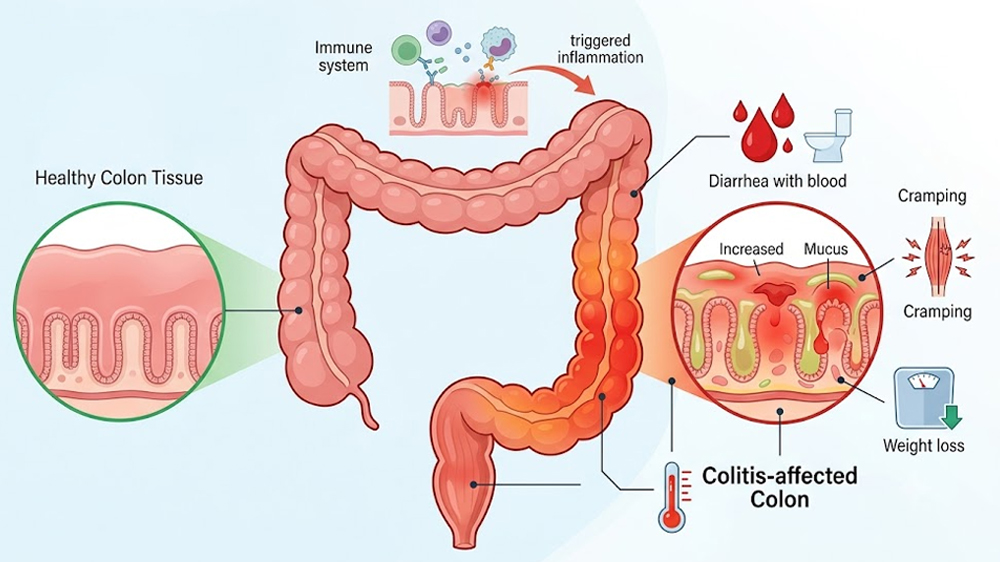
Colitis refers to inflammation of the colon (large intestine) that can result from various causes including infections, inflammatory bowel disease (IBD), ischemia, or autoimmune conditions. The condition can range from mild and self-limiting to severe and life-threatening, requiring prompt medical or surgical intervention.
Dr. Surendra Pal Jakhar specializes in the surgical management of colitis, including severe cases of ulcerative colitis and Crohn's disease that are refractory to medical therapy. His expertise in both open and laparoscopic techniques ensures optimal outcomes for patients with complex colonic inflammatory conditions.
Types of Colitis
- Ulcerative Colitis: A chronic inflammatory bowel disease affecting the mucosa of the colon and rectum, typically starting in the rectum and extending proximally.
- Crohn's Colitis: A form of Crohn's disease that primarily affects the colon, with transmural inflammation and skip lesions.
- Infectious Colitis: Caused by bacterial (e.g., Salmonella, Shigella, E. coli), viral, or parasitic infections.
- Ischemic Colitis: Reduced blood flow to the colon leading to inflammation and tissue damage.
- Microscopic Colitis: Chronic inflammation seen only under the microscope, causing chronic watery diarrhea.
- Allergic Colitis: Seen in infants and children, often due to food allergies.
- Diversion Colitis: Inflammation of the excluded colon segment after diversion surgery.
Common Symptoms
- Abdominal pain and cramping
- Diarrhea (often with blood or mucus)
- Urgency to have a bowel movement
- Tenement – feeling of incomplete evacuation
- Fever and chills (especially in infections)
- Weight loss and fatigue
- Dehydration and electrolyte imbalance
- In severe cases – toxic megacolon, perforation, or sepsis
Diagnostic Approach
- Clinical evaluation and detailed medical history
- Stool studies for infectious causes
- Colonoscopy with biopsy for definitive diagnosis
- Imaging studies – CT scan, MRI, or barium enema
- Blood tests – CBC, CRP, ESR, and nutritional assessment
Surgical Treatment Options
- Total Proctocolectomy with Ileal Pouch: For ulcerative colitis – removal of the entire colon and rectum with creation of an ileal pouch (J-pouch) for continence preservation.
- Subtotal Colectomy with Ileostomy: For severe acute colitis or toxic megacolon, as a staged procedure.
- Segmental Colectomy: For Crohn's colitis or localized disease, with removal of the affected segment and primary anastomosis.
- Laparoscopic Ileocecal Resection: For Crohn's disease affecting the ileocecal region.
- Emergency Colectomy: For perforation, toxic megacolon, or massive bleeding.
- Stoma Formation: Temporary or permanent ostomy creation for diversion in severe cases.
Post-Operative Care and Recovery
- Hospital stay varies from 3-10 days depending on the extent of surgery
- Gradual advancement of diet – clear liquids to low-residue diet
- Close monitoring of stoma output (if formed) and electrolyte balance
- Wound care and management of surgical drains
- Patient education on stoma care (if applicable)
- Long-term follow-up for monitoring of residual disease and nutritional status
Why Choose Dr. Surendra Pal Jakhar?
Dr. Surendra Pal Jakhar is a highly experienced gastrointestinal and colorectal surgeon with specialized expertise in the surgical management of inflammatory bowel disease and colitis. His approach combines advanced laparoscopic techniques, comprehensive preoperative evaluation, and personalized care plans. Dr. Jakhar works closely with a multidisciplinary team of gastroenterologists, nutritionists, and stoma therapists to provide holistic care for patients with colitis.
Schedule a consultation today to discuss your colitis condition and explore the best surgical treatment options available.