
Meckle's Diverticulum
- Home
- /
- Small Bowel Disorders
- /
- Meckle's Diverticulum
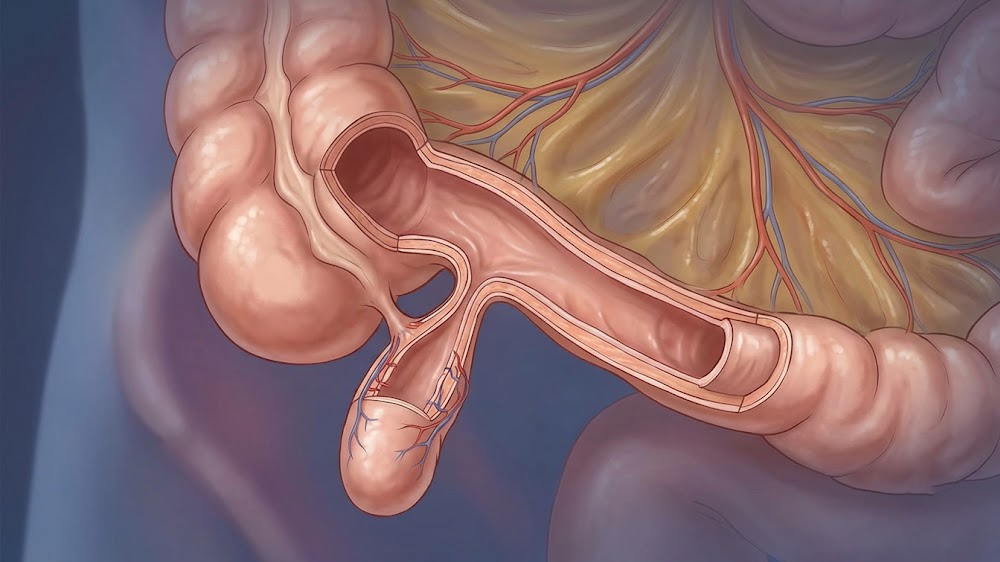
Surgical Management of Meckel's Diverticulum
Meckel's diverticulum is a congenital outpouching of the small intestine, representing the remnant of the omphalomesenteric (vitelline) duct. It is the most common congenital anomaly of the gastrointestinal tract, affecting approximately 2% of the population. Located in the terminal ileum (usually within 100 cm of the ileocecal valve), it may contain heterotopic gastric or pancreatic mucosa.
While most individuals with Meckel's diverticulum remain asymptomatic throughout life, some may develop complications requiring surgical intervention. Dr. Surendra Pal Jakhar has extensive experience in the diagnosis and surgical management of symptomatic Meckel's diverticulum, utilizing both open and minimally invasive laparoscopic techniques.
Indications for Meckel's Diverticulectomy
- Gastrointestinal Bleeding: Painless rectal bleeding, often presenting as melena or hematochezia, typically due to ulceration from ectopic gastric mucosa.
- Intestinal Obstruction: Caused by intussusception, volvulus, or adhesions around the diverticulum.
- Acute Diverticulitis: Inflammation of the diverticulum mimicking appendicitis, with right lower quadrant pain, fever, and leukocytosis.
- Perforation: Rare but serious complication requiring emergency surgery.
- Incarceration in a Hernia: Meckel's diverticulum may become incarcerated in an inguinal or femoral hernia (Littre's hernia).
- Incidental Finding: During abdominal surgery for other indications, if the diverticulum is found to have suspicious features (e.g., thickened, ulcerated, or fibrotic).
Diagnostic Modalities
- Technetium-99m Pertechnetate Scan (Meckel's Scan): Highly sensitive for detecting ectopic gastric mucosa in the diverticulum.
- CT Scan: Useful for identifying complications such as diverticulitis, obstruction, or perforation.
- Ultrasound: May help in evaluating associated complications.
- Capsule Endoscopy or Double-Balloon Enteroscopy: For patients with obscure gastrointestinal bleeding.
Surgical Treatment Options
- Laparoscopic Meckel's Diverticulectomy: Minimally invasive approach using 3-4 small incisions. The diverticulum is identified, stapled or excised, and the defect is closed. Offers faster recovery, less pain, and better cosmetic outcomes.
- Open Meckel's Diverticulectomy: Performed when laparoscopic surgery is not feasible due to adhesions, perforation, or extensive inflammation. A small laparotomy incision is made, and the diverticulum is excised with a wedge resection of the adjacent bowel.
- Segmental Bowel Resection: May be required if the diverticulum is broad-based, if there is significant inflammation, or if the mesenteric blood supply is compromised.
Benefits of Surgical Treatment
- Resolution of symptoms including bleeding, pain, and obstruction
- Prevention of life-threatening complications (perforation, sepsis)
- Low recurrence rate after complete excision
- Minimally invasive options available for faster recovery
- Improved quality of life
Why Choose Dr. Surendra Pal Jakhar?
Dr. Surendra Pal Jakhar is a highly experienced gastrointestinal and laparoscopic surgeon with specialized expertise in the management of Meckel's diverticulum and other small bowel disorders. His approach combines accurate diagnosis, meticulous surgical technique, and minimally invasive options to ensure the best possible outcomes for patients. Dr. Jakhar is committed to patient education and shared decision-making, helping patients understand their condition and treatment options fully.
Schedule a consultation today to discuss your symptoms and explore the best surgical treatment options for Meckel's diverticulum.