
Femoral Hernia
- Home
- /
- Hernia Surgery
- /
- Femoral Hernia
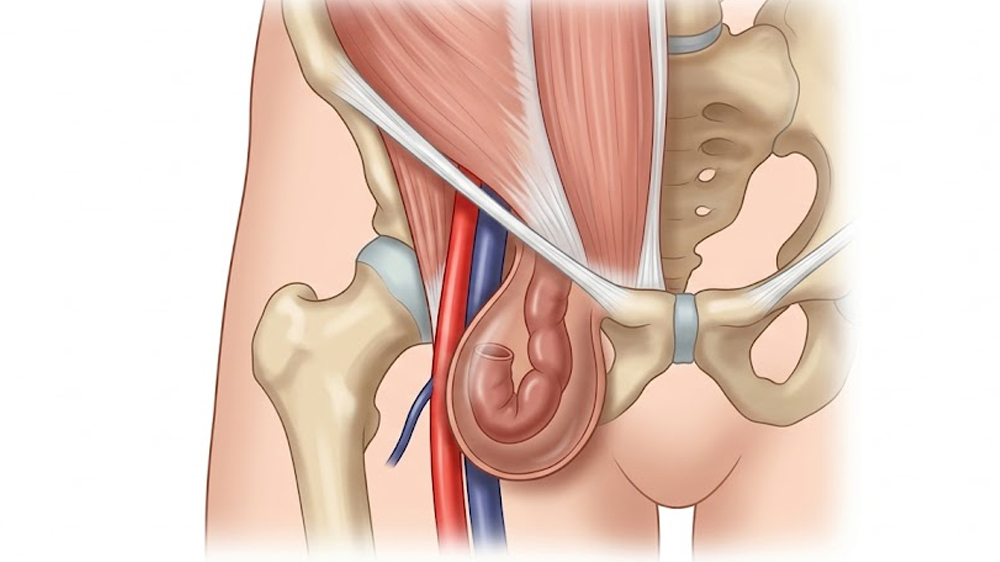
What is a Femoral Hernia?
A femoral hernia is a type of hernia that occurs in the upper thigh, just below the groin crease. It develops when abdominal tissue, often a portion of the intestine, pushes through a weak spot in the femoral canal—a small passageway that carries the femoral artery, vein, and nerve from the abdomen into the leg.
Femoral hernias are relatively uncommon compared to inguinal hernias, but they are more likely to occur in women, particularly those who are pregnant, obese, or have given birth multiple times. These hernias are considered more serious because they have a higher risk of becoming strangulated, where the blood supply to the trapped tissue is cut off, requiring emergency surgery.
Symptoms of Femoral Hernia
Common signs and symptoms of a femoral hernia include:
- A noticeable bulge or lump in the upper thigh, just below the groin crease
- Pain or discomfort in the groin area, especially when bending, coughing, or lifting
- A feeling of heaviness or pressure in the groin or thigh
- In some cases, the bulge may be small and only noticeable when standing or straining
- Nausea, vomiting, or severe pain may indicate strangulation and require immediate medical attention
Femoral hernias can sometimes be asymptomatic and discovered during a routine physical examination.
Causes and Risk Factors
Several factors can contribute to the development of a femoral hernia:
- Congenital weakness – some individuals are born with a weak femoral canal
- Pregnancy and childbirth – increased pressure on the abdominal wall during pregnancy and delivery
- Obesity – excess weight puts additional strain on the abdominal muscles and femoral canal
- Chronic coughing – conditions like COPD or smoking can increase intra-abdominal pressure
- Heavy lifting – occupational or recreational activities that strain the abdomen
- Constipation – chronic straining during bowel movements
- Previous surgeries – may weaken the abdominal wall
Femoral Hernia Treatment Options
Femoral hernias typically require surgical repair because they have a high risk of strangulation. Surgery involves pushing the protruding tissue back into place and reinforcing the weakened area of the femoral canal. Dr. Surendra Pal Jakhar offers several surgical approaches:
- Open Femoral Hernia Repair – a single incision is made in the groin area, and the hernia is repaired using sutures or mesh. This is a traditional approach that is highly effective.
- Laparoscopic Femoral Hernia Repair – a minimally invasive technique using small incisions and a camera. This approach offers faster recovery, less pain, and smaller scars.
- Robotic-Assisted Femoral Hernia Repair – utilizes robotic technology for enhanced precision and dexterity, particularly beneficial for complex or recurrent hernias.
The choice of surgical approach depends on the size of the hernia, patient health, and surgeon's recommendation. Early repair is recommended to prevent complications.
Recovery After Femoral Hernia Surgery
Recovery time depends on the type of surgery performed. Patients undergoing laparoscopic or robotic surgery typically return to normal activities within 1–2 weeks, while open surgery may require 3–4 weeks of recovery. Post-operative care includes:
- Rest and avoidance of heavy lifting for 4–6 weeks
- Pain management with prescribed medications
- Gradual return to physical activities as advised
- Follow-up appointments to monitor healing
- Wound care to prevent infection
Why Choose Dr. Surendra Pal Jakhar for Femoral Hernia Surgery?
- Expert in both open and advanced laparoscopic hernia repair techniques
- High success rate with minimal recurrence
- Use of premium quality mesh for durable and safe repair
- Personalized care with comprehensive pre- and post-operative support
- Minimally invasive options for faster recovery and less pain
- Over 10+ years of experience in gastrointestinal and hernia surgery
If you or a loved one are experiencing symptoms of a femoral hernia, schedule a consultation with Dr. Surendra Pal Jakhar for an accurate diagnosis and personalized treatment plan.
Book a Consultation
Early diagnosis and timely treatment are essential for preventing complications. Contact our clinic today to book an appointment with Dr. Surendra Pal Jakhar, one of the best gastrointestinal and advanced laparoscopic surgeons in Jaipur.